

If you’ve ever felt cold drafts sneaking through your walls during a Quebec winter, you’re not alone. Many older homes in the province were built before modern insulation standards existed, leaving homeowners with uncomfortable rooms and sky-high heating bills.
Dense pack insulation offers a solution that doesn’t require tearing apart your walls or gutting your home. It’s become increasingly popular among Quebec homeowners looking to upgrade their insulation without major renovations.
What Exactly is Dense-Pack Insulation?
Dense pack is a method of blowing insulation material into wall cavities at high density. Unlike standard blown insulation that settles loosely, dense pack gets packed tightly into spaces at around 3.5 to 4 pounds per cubic foot.
The material gets blown through small holes drilled into walls, filling every gap and crevice. This creates both an insulation layer and an air barrier in one step.
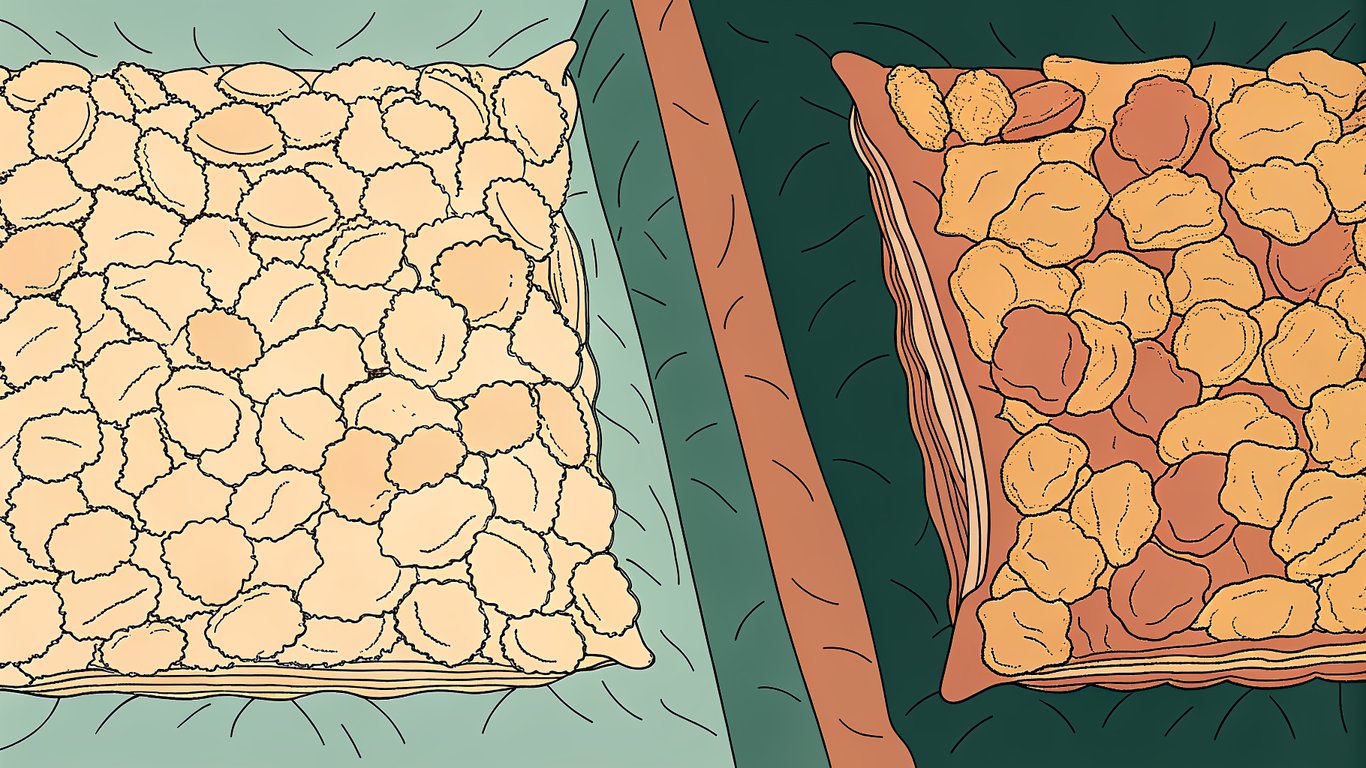
Think of it like stuffing a pillow. Regular blown insulation is like loosely filling a pillowcase. Dense pack is like packing that same pillowcase until it’s firm and won’t shift around.
Why Quebec Homeowners Should Care
Quebec’s climate is tough on homes. We’re talking about winters that regularly dip below -20°C and heating seasons that stretch from October through April. That’s a lot of time for heat to escape through poorly insulated walls.
Many homes built before the 1980s have minimal wall insulation. Some have none at all. The temperature swings between seasons also create moisture challenges that proper insulation needs to address.
How Dense-Pack Insulation Works
The Installation Process
Installing dense pack isn’t complicated, but it requires specialized equipment and experience. Contractors typically drill access holes either from inside your home or through the exterior siding. These holes are usually about 2 to 3 inches in diameter.
A blowing machine forces insulation material through a hose into the wall cavity. The installer monitors the pressure and fill rate to ensure proper density. You’ll hear the machine running and feel some vibration, but it’s not particularly disruptive.
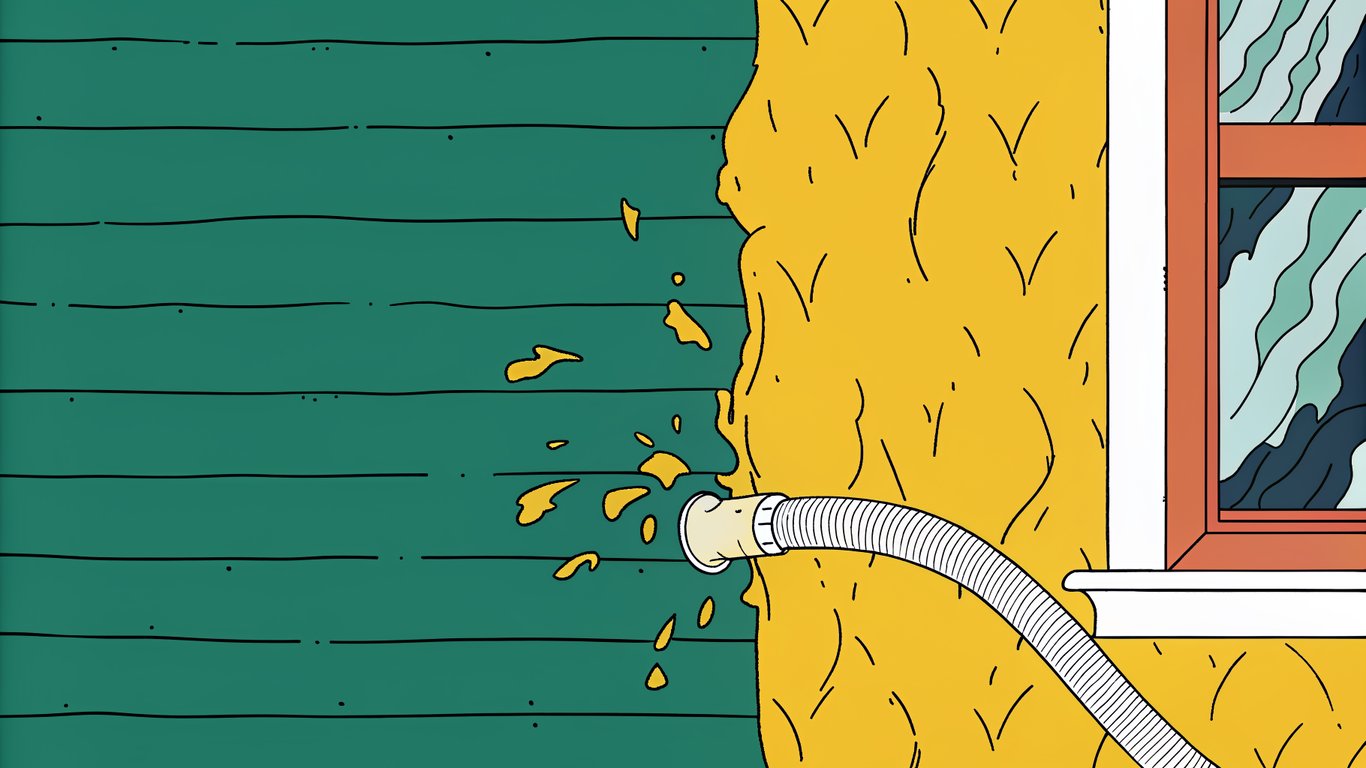
Once a cavity is full, they move to the next section. The holes get patched afterward, though you’ll probably need to do some touch-up painting if they worked from inside.
Materials Used in Dense-Pack Applications
Cellulose insulation is the most common material for dense pack applications. It’s made from recycled newspaper treated with fire retardants. The fibers compress well and create excellent air sealing.
Some contractors use fiberglass, though it’s less common for dense pack work. Cellulose tends to perform better at the high densities required because it packs more uniformly.
Density Requirements and Standards
The “dense” in dense pack isn’t just marketing. There are specific density targets that separate this method from regular blown insulation. For walls, you’re looking at 3.5 to 4 pounds per cubic foot with cellulose.
This density is critical. Too loose and the material will settle over time, leaving gaps at the top of walls. Too dense and you risk damaging the wall structure or creating uneven fills.
Quebec building codes don’t specifically mandate dense pack, but they do require certain R-values for walls. Dense pack cellulose typically achieves R-3.6 to R-3.8 per inch, which helps meet or exceed code requirements.
The Air Sealing Advantage
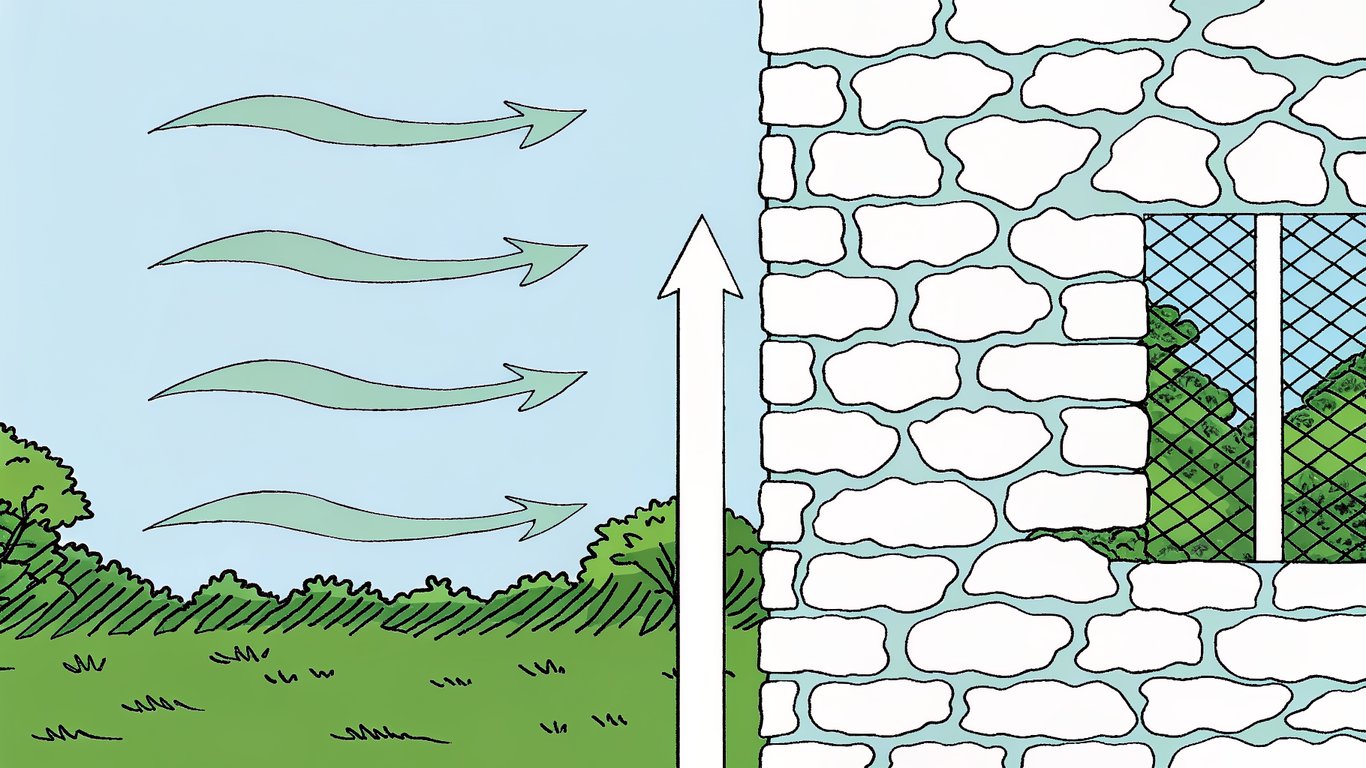
Here’s where dense pack really shines. When packed properly, it doesn’t just insulate. It also blocks air movement through wall cavities.
Air leakage is often a bigger problem than poor insulation alone. Warm air escaping through gaps can account for 25% to 40% of heating costs in older homes. Dense pack addresses both issues simultaneously.
The tight packing creates resistance to airflow. It’s not a perfect air barrier like spray foam, but it’s significantly better than batt insulation or standard-density blown insulation.
Key Benefits of Dense-Pack Insulation
Superior Energy Efficiency and Cost Savings
The combination of high R-value and air sealing translates directly to lower heating bills. How much you’ll save depends on your current insulation situation, but homeowners upgrading from little or no wall insulation often see heating cost reductions of 20% to 30%.
With Quebec’s long heating season and rising energy costs, those savings add up quickly. The payback period for dense pack installation is typically 5 to 10 years.
Enhanced Air Sealing and Draft Elimination
Those cold spots near exterior walls? The drafts you feel when sitting by windows? Dense pack can eliminate most of these comfort issues.
By filling every gap and crack in wall cavities, it stops air infiltration at the source. Your rooms will feel more consistently comfortable, and your heating system won’t have to work as hard to maintain temperature.
Improved Soundproofing Qualities
This benefit surprises many homeowners. Dense pack cellulose is excellent at dampening sound transmission. The dense fibers absorb sound waves effectively.
You’ll notice less noise from outside traffic, neighbors, or even between rooms in your own home. It’s not soundproofing in the recording studio sense, but it makes a noticeable difference.
Fire Resistance and Safety Features
Cellulose insulation gets treated with fire retardant chemicals like boric acid. This treatment gives it a Class 1 fire rating, meaning it resists ignition and slows flame spread.
It won’t make your walls fireproof, but it does add an extra layer of fire resistance compared to having empty or poorly insulated wall cavities.
Moisture Management and Mold Prevention
Cellulose can absorb and release moisture without losing its insulating properties. This breathability helps manage moisture vapor that naturally moves through walls.
The borate treatment also provides natural mold and pest resistance. You won’t have to worry about mold growth within the insulation itself, though proper vapor barriers and ventilation are still important.
Eco-Friendly and Sustainable Choice
If environmental impact matters to you, cellulose dense pack is hard to beat. It’s made from up to 85% recycled newspaper. The manufacturing process uses less energy than producing fiberglass or foam insulation.
Plus, by reducing your heating needs, you’re lowering your home’s carbon footprint over the long term.
Common Uses and Applications for Dense-Pack Insulation
Retrofitting Existing Wall Cavities
This is where dense pack really excels. You can add insulation to existing walls without removing drywall or siding. Contractors drill small access holes, blow in the insulation, and patch the holes.
It’s perfect for older Quebec homes with standard stud wall construction. Whether you have 2×4 or 2×6 walls, dense pack can fill those cavities effectively.
Attic Walls and Knee Walls
Those short walls in finished attics (knee walls) are notoriously difficult to insulate properly. They’re often inaccessible once the attic is finished. Dense pack can be blown into these spaces from the attic side or through the finished wall.
Sloped ceiling walls in cape-style homes are another good application. The tight packing prevents settling that would leave gaps at the top of the slope.
Cathedral Ceilings and Vaulted Spaces
Cathedral ceilings create closed rafter cavities that can’t be vented properly. Dense pack works well here because it fills the entire cavity and provides both insulation and air sealing.
You do need to be careful about moisture management in these applications. Proper vapor barriers and potentially air gaps are important considerations.
Floor Cavities and Rim Joists
Floors over unheated spaces like garages or crawl spaces benefit from dense pack. The material won’t sag or settle like batts can in floor applications.
Rim joist areas (where floor joists meet exterior walls) are major sources of air leakage. Dense pack can fill these awkward spaces effectively.
Historic Home Renovations
If you own a heritage property in Quebec, you probably can’t just rip out walls or change the exterior appearance. Dense pack lets you improve insulation while preserving original features.
The small access holes are easy to patch and paint over. From the outside, nobody will know you’ve upgraded your insulation.
When Dense-Pack is the Best Choice for Your Wall Cavities
Retrofit Projects Without Major Renovation
The biggest advantage of dense pack is that it’s minimally invasive. If you’re not planning to gut your walls or re-side your house, dense pack lets you upgrade insulation without major construction work.
You can live in your home during installation. The work typically takes one to three days depending on the size of your house.
Homes with Existing Wall Cavities
Dense pack works best in standard stud wall construction with empty or poorly insulated cavities. If your walls already have some insulation, contractors can sometimes add dense pack around it, though results vary.
Walls with 2×4 studs (3.5 inches deep) or 2×6 studs (5.5 inches deep) are ideal candidates. The method doesn’t work well with unusual wall constructions or very shallow cavities.
Addressing Air Leakage Problems
If you’ve had an energy audit that identified high air infiltration rates, dense pack can address this issue. The tight packing creates resistance to air movement that batt insulation simply can’t match.
Cold spots, drafts near walls, and rooms that never seem to warm up are all signs that air leakage might be your problem.
Older Quebec Homes Built Before Modern Codes
Homes built before 1980 in Quebec often have little to no wall insulation. Building codes were less stringent, and energy efficiency wasn’t a priority.
These homes are prime candidates for dense pack retrofits. The improvement in comfort and energy efficiency can be dramatic.
Budget-Conscious Energy Upgrades
Dense pack typically costs less than spray foam insulation and way less than removing walls or siding to install new insulation. You get good performance at a reasonable price point.
The cost-effectiveness makes it accessible for homeowners who want to improve their home’s efficiency without breaking the bank.
When Dense-Pack May NOT Be the Best Option
Let’s be honest about situations where other methods might work better. If your walls are already open for renovation, you might as well install spray foam or high-quality batts. Dense pack’s main advantage is avoiding wall removal.
Homes with serious moisture problems should address those issues first. Dense pack won’t fix water leaks or condensation problems caused by poor ventilation.
If you need maximum R-value in limited space, spray foam provides higher insulation per inch. And if your wall cavities have obstructions like old knob-and-tube wiring or extensive blocking, dense pack installation becomes more complicated.
Dense-Pack vs. Other Insulation Methods
Dense-Pack vs. Spray Foam Insulation
Spray foam creates a superior air barrier and has higher R-value per inch. But it costs significantly more than dense pack, sometimes two to three times as much.
For retrofit applications, spray foam requires more extensive access to wall cavities. Dense pack can be installed through small holes, making it less disruptive.
Both methods work well. Your choice often comes down to budget and whether you need the absolute best air sealing (spray foam) or good performance at lower cost (dense pack).
Dense-Pack vs. Batt Insulation
Batt insulation (those pink or yellow rolls) is cheaper and easier to install in open walls. But it performs poorly in existing closed walls because you can’t install it without removing drywall or siding.
Even when properly installed, batts don’t air seal like dense pack does. They leave gaps around electrical boxes, pipes, and irregular framing. Dense pack fills all those spaces.
Dense-Pack vs. Blown-In (Standard Density)
Standard blown insulation uses the same materials as dense pack but at lower density. It’s fine for attic floors where settling isn’t a problem.
In walls, standard-density blown insulation will settle over time, leaving gaps at the top. Dense pack’s higher density prevents this settling and provides better air sealing.
Cost Comparison Overview
Prices vary by contractor and region, but here’s a rough comparison for wall insulation in Quebec. Dense pack typically runs between standard blown insulation and spray foam in terms of cost.
The exact numbers depend on your home’s size, wall accessibility, and current insulation situation. Getting quotes from multiple contractors is always smart.
What to Expect: The Dense-Pack Installation Process
Initial Assessment and Energy Audit
A good contractor will start with an assessment of your home. They’ll check wall construction, look for existing insulation, and identify any moisture or structural issues.
Some will use thermal imaging cameras to identify cold spots and air leakage. This helps them target the areas that need attention most.
Preparation and Access Points
Contractors can work from inside or outside your home. Interior access means drilling through drywall, which requires patching and painting afterward. Exterior access means removing some siding, which gets replaced after installation.
They’ll protect your floors and furniture with drop cloths. The drilling creates some dust, but professional crews contain it pretty well.
Installation Timeline and Process
For a typical house, installation takes one to three days. The crew drills access holes in each wall cavity, usually one or two holes per stud bay depending on wall height.
They insert the blowing hose and fill the cavity, monitoring pressure to ensure proper density. You’ll hear the machine running, but it’s not unbearably loud.
The work proceeds systematically around your house. They’ll move furniture as needed and work room by room.
Cleanup and Finishing Work
After filling all cavities, contractors patch the access holes. Interior holes get filled with drywall compound or plugs. Exterior holes get sealed and siding gets replaced.
You’ll probably need to do some touch-up painting if they worked from inside. The patches are visible until painted, though contractors try to make them as smooth as possible.
Post-Installation Inspection and Verification
Good contractors will verify proper installation. Some use thermal imaging after installation to check for missed spots or uneven fills.
You can also request a blower door test before and after installation to measure the improvement in air sealing. This gives you concrete data on the project’s effectiveness.
Making the Decision: Is Dense-Pack Right for Your Quebec Home?
Key Questions to Ask Yourself
Before moving forward, consider these questions. How old is your home? Houses built before 1980 are most likely to benefit. What’s your current insulation situation? If you don’t know, an energy audit can tell you.
Are you experiencing comfort problems like cold walls, drafts, or rooms that won’t warm up? These are signs your insulation needs replacement, and that air sealing could help.
What’s your budget? Dense pack offers good value, but it’s still an investment. And are you planning any major renovations soon? If you’re going to open walls anyway, you might choose a different insulation method.
Finding Qualified Installers in Quebec
Look for contractors with experience specifically in dense pack installation. It’s not the same as standard blown insulation, and proper technique matters.
Ask about their equipment, process, and how they verify proper density. Request references from previous customers. And make sure they’re properly licensed and insured.
Questions to ask during consultations include: How do you determine proper density? What access method do you recommend for my home? How do you handle obstacles in wall cavities? What warranty do you offer?
Available Rebates and Incentives
Quebec homeowners can access several programs that help offset insulation costs. The Rénoclimat program offers grants for energy efficiency improvements, including insulation upgrades.
The federal Canada Greener Homes Grant provides up to $5,000 for eligible retrofits. You’ll need energy audits before and after the work to qualify.
Check current program details and eligibility requirements, as these programs can change. Your contractor might be familiar with available incentives and can help you navigate the application process.
Next Steps for Quebec Homeowners
Start with an energy audit if you haven’t had one recently. This will identify your home’s biggest energy losses and help you prioritize improvements.
Get quotes from at least three contractors who specialize in dense pack installation. Compare their approaches, pricing, and warranties.
Research available rebates and factor those into your budget. Then make your decision based on the combination of cost, expected savings, and comfort improvements.
Dense pack insulation won’t solve every home comfort problem, but for many Quebec homeowners with older houses, it’s one of the most cost-effective upgrades you can make. The combination of improved insulation, air sealing, and minimal disruption makes it worth serious consideration.