

You’ve just spent thousands on new insulation for your Quebec home. The contractor’s packed up, the invoice is paid, and somewhere in that stack of paperwork sits your warranty documentation. Most homeowners give it maybe thirty seconds of attention before filing it away.
That’s a mistake.
Your insulation warranty isn’t just another piece of paper. It’s the only thing standing between you and potentially expensive repairs when something goes wrong. And in Quebec’s harsh climate, where temperatures swing from -30°C winters to humid summers, understanding what’s actually covered can save you serious money down the road.
The Role of Warranties in Home Insulation Projects
Insulation warranties protect your investment in ways that differ from other home improvement guarantees. Unlike a new deck or kitchen renovation, insulation is hidden behind walls and in attics. You can’t easily inspect it, and problems often don’t show up immediately.
A solid warranty gives you recourse when materials fail or installation issues surface months or years later. It’s your safety net for an investment you can’t see but absolutely need to perform correctly.
Quebec’s Climate and Insulation Performance Expectations
Quebec’s extreme temperature swings put unique stress on insulation systems. Freeze-thaw cycles can cause materials to expand and contract. Ice dams form on roofs. Moisture from indoor heating meets cold exterior walls, creating condensation risks.
These conditions make warranty coverage particularly important here. What works fine in milder climates might fail in Montreal’s February cold snap or during a humid July. Your warranty needs to account for these regional challenges.
What Is an Insulation Warranty? The Basics Explained
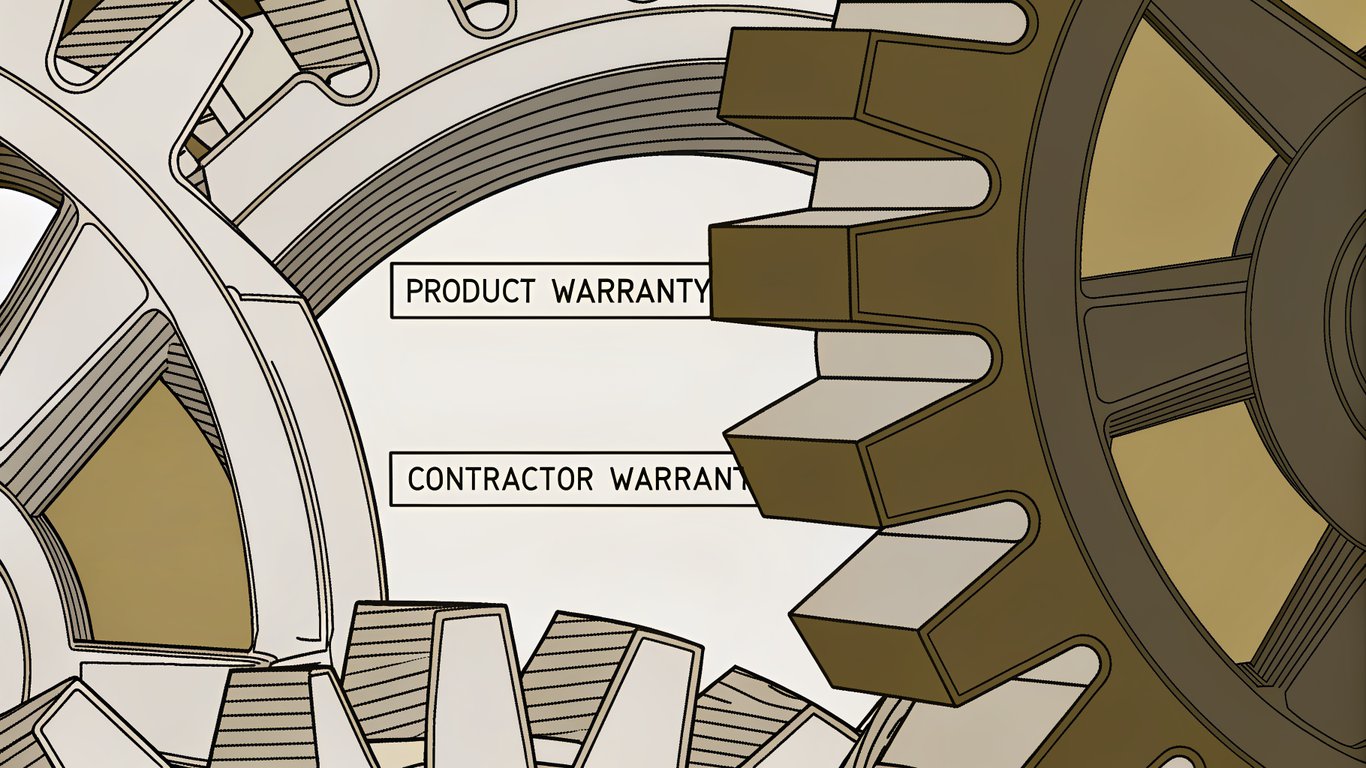
An insulation warranty is a written guarantee that your insulation materials and installation will perform as promised for a specified period. It’s actually two separate guarantees working together, though many homeowners don’t realize this until they need to file a claim.
Definition and Purpose of Insulation Warranties
At its core, an insulation warranty protects you against defects in materials and workmanship. It’s designed to ensure that your insulation maintains its thermal performance (R-value), doesn’t deteriorate prematurely, and was installed correctly according to manufacturer specifications.
The warranty isn’t insurance against everything that could go wrong. It’s specifically focused on failures related to the insulation product itself or how it was installed.
The Two-Part Warranty System: An Overview
Here’s where it gets interesting. When you install insulation, you’re actually getting two distinct warranties:
- Product warranty from the manufacturer covering material defects
- Contractor warranty covering installation workmanship
These warranties cover different things, run for different lengths of time, and require you to contact different parties when problems arise. Understanding which warranty applies to your specific issue is crucial for getting it resolved.
Typical Warranty Duration and Timeline
Manufacturer warranties typically run longer than contractor warranties. Product warranties often span 20-30 years for materials, though coverage terms may change over time (some warranties are prorated after certain periods).
Contractor workmanship warranties are usually shorter, ranging from one to five years depending on the company and the type of installation. Some reputable contractors offer longer coverage, but anything beyond five years for workmanship is relatively uncommon.
Product Warranty vs. Contractor Warranty: Understanding the Critical Difference
This distinction trips up more homeowners than anything else about insulation warranties. You discover a problem, call the contractor, and they tell you it’s a manufacturer issue. Or you contact the manufacturer who says it’s an installation problem. Nobody wants to take responsibility.
Knowing the difference upfront saves you frustration and gets problems resolved faster.
Product (Manufacturer) Warranty Explained
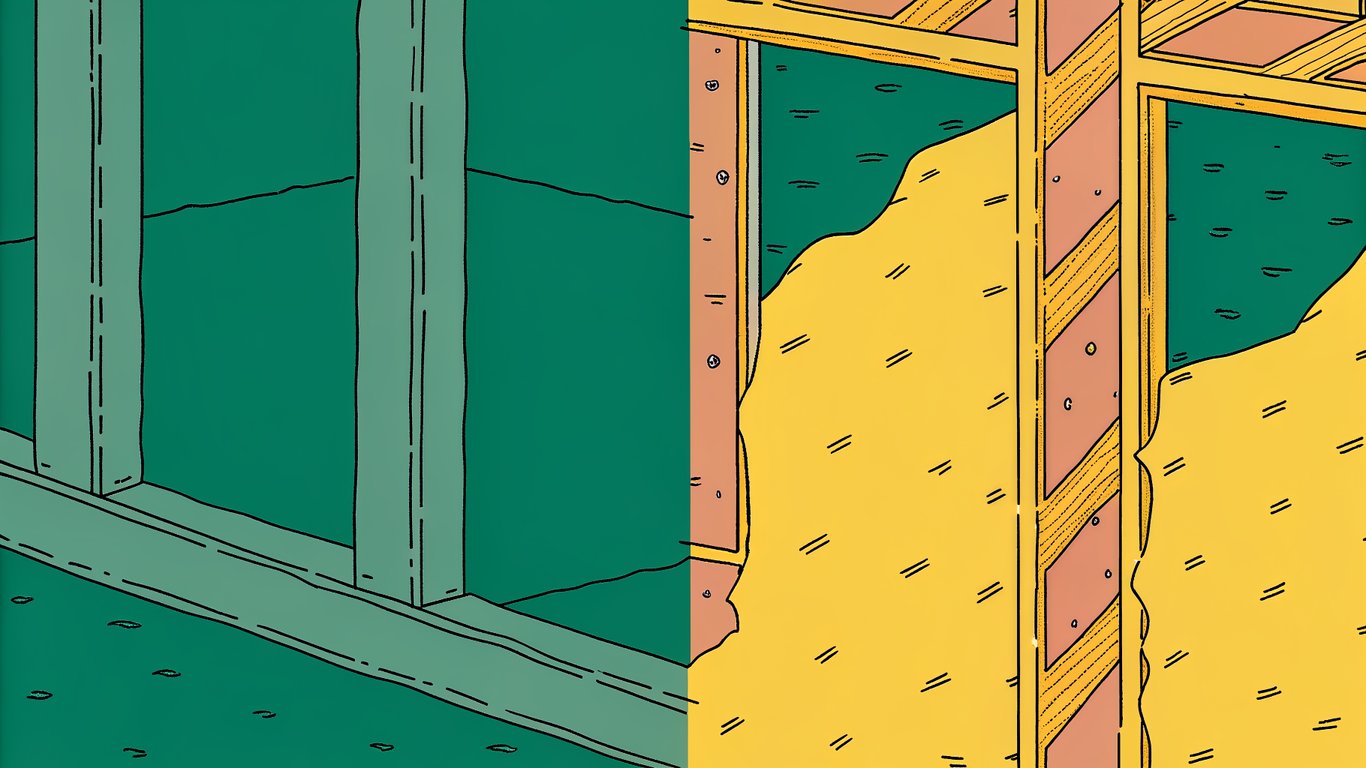
The manufacturer warranty covers defects in the insulation materials themselves. This includes things like delamination in spray foam, deterioration of fiberglass batts, or failure to maintain stated R-values due to material breakdown.
These warranties guarantee that the membrane, insulation, cover boards, and other materials will perform as specified. If the product itself is defective or fails to meet performance standards, the manufacturer is responsible.
Coverage periods vary by material type. Spray foam manufacturers might offer 20-year warranties, while fiberglass or cellulose products could have different terms. Always check what’s specifically covered for your insulation type.
Contractor (Workmanship) Warranty Explained
The contractor warranty covers how the insulation was installed. This includes gaps in coverage, improper application techniques, compression of materials, inadequate vapor barrier installation, or any other installation errors that affect performance.
If your spray foam wasn’t applied at the correct thickness, or if blown-in insulation settled excessively due to improper installation density, that’s a workmanship issue. The contractor is responsible for fixing these problems during the warranty period.
Workmanship warranties typically cover labor and the cost of correcting installation defects. Some contractors will also cover the cost of accessing the problem area (like removing and replacing drywall), while others won’t.
How the Two Warranties Work Together
Let’s say you notice cold spots in your walls three years after installation. If the insulation material itself has deteriorated or failed, that’s likely a manufacturer warranty issue. But if the cold spots are due to gaps left during installation, that’s a contractor warranty claim.
Sometimes both warranties come into play. If defective material was also installed incorrectly, you might need both parties to make things right. This is where having everything documented becomes critical.
Who to Contact When Issues Arise
Start with your contractor. They can often determine whether the issue is material-related or installation-related. A good contractor will handle manufacturer warranty claims on your behalf if needed.
If your contractor is unresponsive or you suspect they’re avoiding responsibility, document everything and contact the manufacturer directly. Have your installation paperwork, photos of the problem, and any communication with the contractor ready.
What’s Typically Covered: Standard Insulation Warranty Protections
Understanding what’s actually covered helps you set realistic expectations and recognize when you have a legitimate warranty claim.
Material Defects and Manufacturing Flaws
Manufacturer warranties cover defects in the materials themselves. This includes insulation that breaks down prematurely, doesn’t meet stated R-values, or fails due to manufacturing defects rather than external factors.
If your spray foam starts delaminating from surfaces or your fiberglass batts disintegrate within the warranty period (and it’s not due to moisture or other external causes), you’ve got a valid material defect claim.
Installation Workmanship Issues
Contractor warranties cover improper installation. This includes gaps in coverage, compressed insulation that doesn’t achieve proper R-values, spray foam applied at incorrect thickness, or blown-in insulation that wasn’t installed at proper density.
Inadequate coverage around electrical boxes, plumbing penetrations, or other obstacles also falls under workmanship issues. These are installation errors that affect thermal performance.
Thermal Performance Guarantees
Many warranties guarantee that insulation will maintain its stated R-value for the coverage period. If your R-30 attic insulation tests at R-20 after a few years (and there’s no external damage), you may have grounds for a warranty claim.
However, proving R-value failure can be tricky. You’ll typically need a professional assessment showing that the insulation isn’t performing as specified due to material or installation defects.
Moisture and Vapor Barrier Failures
If moisture intrusion is caused by defective vapor barrier materials or improper installation of moisture control systems, warranties may cover repairs. This is particularly relevant in Quebec where vapor barriers are critical for preventing condensation issues.
But here’s the catch: if moisture problems stem from roof leaks, plumbing issues, or other external sources, warranties typically won’t cover the resulting insulation damage.
Settling and Compression Coverage
Some settling in blown-in or loose-fill insulation is normal. Warranties typically account for this with initial over-installation. But excessive settling that significantly reduces R-values may be covered if it’s due to improper installation density or material defects.
The key word is “excessive.” Normal settling isn’t a warranty issue. Settling that leaves you with half the insulation you paid for probably is.
Common Exclusions: What Insulation Warranties Don’t Cover
This section is arguably more important than knowing what’s covered. Warranty exclusions are where most claim denials happen, and where homeowners feel blindsided by coverage gaps they didn’t know existed.
Normal Wear and Tear
All materials age. Warranties don’t cover normal degradation over time. Minor settling, slight discoloration, or gradual performance decline within acceptable ranges isn’t covered.
The challenge is defining “normal” versus “excessive” wear. This is where documentation of the original installation and regular inspections become valuable.
Damage from External Factors
This is the biggest category of exclusions. Warranties don’t cover damage from water leaks, roof failures, plumbing problems, pest infestations, fire, flooding, or other external events not related to the insulation itself.
If your roof leaks and soaks your attic insulation, that’s not a warranty issue even if the insulation is ruined. The warranty covers defects in the insulation, not damage from other building failures.
Improper Maintenance and Homeowner Modifications
DIY alterations, renovations, or failure to maintain proper ventilation can void warranty coverage. If you cut into insulated walls for electrical work or block attic vents, you may lose warranty protection.
Some warranties require specific maintenance activities. Failing to perform these (or document that you did) can result in claim denials.
Pre-Existing Conditions and Structural Issues
Warranties don’t cover problems that existed before installation. If your home had inadequate ventilation, structural defects, or moisture problems before insulation was installed, resulting issues aren’t covered.
This is why pre-installation inspections and documentation are important. They establish baseline conditions and protect both you and the contractor.
Acts of Nature and Force Majeure
Extreme weather events, natural disasters, and unforeseeable circumstances typically aren’t covered. If a tornado damages your home and ruins the insulation, that’s not a warranty claim (though your homeowner’s insurance should cover it).
Cosmetic Issues vs. Functional Failures
Minor discoloration, slight sagging that doesn’t affect performance, or aesthetic concerns generally aren’t covered. Warranties focus on functional failures, not appearance.
If your insulation looks weird but still performs its thermal function, you probably don’t have a warranty claim.
Special Considerations for Quebec Homeowners
Quebec has unique legal protections and climate considerations that affect insulation warranties.
Quebec Consumer Protection Act and Your Warranty Rights
Quebec’s Consumer Protection Act provides a legal warranty of quality that extends beyond written warranty terms. This means you have certain rights even if the written warranty has expired or contains restrictive terms.
The legal warranty requires that goods be fit for their intended purpose and durable for a reasonable time. For insulation, this means it should perform adequately for longer than just the written warranty period in many cases.
Cold Climate Performance Guarantees
Quebec homeowners should specifically look for warranties that address performance in extreme cold and freeze-thaw cycles. Not all insulation products are rated for our climate conditions.
Ask contractors whether their warranties cover performance issues related to Quebec’s temperature extremes. Some manufacturers offer enhanced warranties for cold climate installations.
Bilingual Documentation Requirements
Under Quebec law, contracts and warranties must be available in French. Make sure you receive warranty documentation in your preferred language and that you fully understand the terms before signing.
Don’t sign documents you can’t read or don’t understand. You have the right to receive clear, comprehensible warranty terms.
Régie du bâtiment du Québec (RBQ) Licensing and Warranty Validity
Verify that your contractor holds proper RBQ licensing before signing any contracts. Unlicensed contractors may not be able to honor warranties, and you’ll have limited recourse if problems arise.
Licensed contractors are required to carry liability insurance and may be subject to RBQ oversight if warranty disputes arise. This provides an additional layer of protection.
How to Protect Your Insulation Warranty: Best Practices
Having a warranty is one thing. Being able to enforce it when needed is another. These practices help ensure your warranty remains valid and enforceable.
Documentation: What to Keep and How to Organize It
Create a dedicated file (physical or digital) for all insulation-related documents:
- Original contract with detailed scope of work
- Both manufacturer and contractor warranty certificates
- Installation photos (before, during, and after)
- Paid invoices and receipts
- Product specifications and R-value documentation
- Any inspection reports or certifications
- Correspondence with contractor or manufacturer
Take your own photos during installation if possible. These can be invaluable if warranty disputes arise years later.
Registration Requirements and Deadlines
Some manufacturer warranties require registration within a specific timeframe after installation. Missing these deadlines can void coverage.
Read warranty documents immediately after installation and complete any required registration. Set calendar reminders for important warranty dates and renewal requirements.
Maintenance Activities That Preserve Coverage
Many warranties require specific maintenance activities. Common requirements include maintaining proper attic ventilation, keeping insulation dry, and not compressing or disturbing installed materials.
Document your maintenance activities. If your warranty requires annual ventilation checks, keep records showing you performed them. This documentation can be crucial if you need to file a claim.
What to Inspect After Installation
Before the contractor leaves, verify:
- Insulation coverage is complete with no obvious gaps
- Specified R-values were achieved (check installation depth)
- Vapor barriers are properly installed and sealed
- Ventilation hasn’t been blocked
- You’ve received all warranty documentation
- You understand how to file claims with both contractor and manufacturer
Don’t make final payment until you’re satisfied with the installation and have all documentation in hand.
When and How to File a Warranty Claim
File claims as soon as you notice problems. Delays can complicate claims or even void coverage if you wait too long.
Document the issue thoroughly with photos and detailed descriptions. Contact your contractor first (in writing), giving them reasonable time to respond. If they’re unresponsive, escalate to the manufacturer or consider legal options under Quebec’s consumer protection laws.
Questions to Ask Before Signing: Your Insulation Warranty Checklist
These questions help you evaluate warranty coverage before committing to a contractor or product.
Questions About the Product Warranty
- What’s the exact coverage period for materials?
- Is the warranty prorated or non-prorated?
- What specific material defects are covered?
- Is the warranty transferable if I sell my home?
- What’s the process for filing manufacturer warranty claims?
- Are there any registration requirements or deadlines?
- What documentation do I need to keep?
Questions About the Contractor Warranty
- How long is your workmanship warranty?
- What specific installation issues are covered?
- Do you cover the cost of accessing problem areas for repairs?
- What’s your response time for warranty claims?
- Are you licensed with the RBQ?
- Do you carry liability insurance?
- What happens if your company goes out of business?
Red Flags: Warning Signs of Inadequate Warranty Coverage
Be wary of contractors who can’t provide written warranties, offer unusually short coverage periods (less than one year for workmanship), or use vague language about what’s covered.
Excessive exclusions that seem designed to avoid responsibility, warranties that require unrealistic maintenance activities, or contractors who pressure you to sign without reading the terms are all red flags.
Getting Everything in Writing
Never accept verbal warranty promises. Everything must be in writing, signed by both parties, and clearly detailed. If a contractor makes verbal commitments about warranty coverage, ask them to add those terms to the written contract.
Verbal agreements are nearly impossible to enforce. Written documentation is your only real protection.
Making Informed Decisions About Your Insulation Warranty
Your insulation warranty is only as good as your understanding of it. The difference between product and contractor warranties matters. Knowing what’s excluded is just as important as knowing what’s covered. And documentation can make or break your ability to enforce warranty terms when problems arise.
Quebec homeowners have additional protections under provincial consumer laws, but you still need to understand your written warranty terms and maintain proper documentation. Take the time to read warranty documents before signing, ask questions about anything unclear, and keep thorough records of your installation and any maintenance activities.
The few hours you invest in understanding your insulation warranty now could save you thousands in repair costs later. And that’s time well spent.