
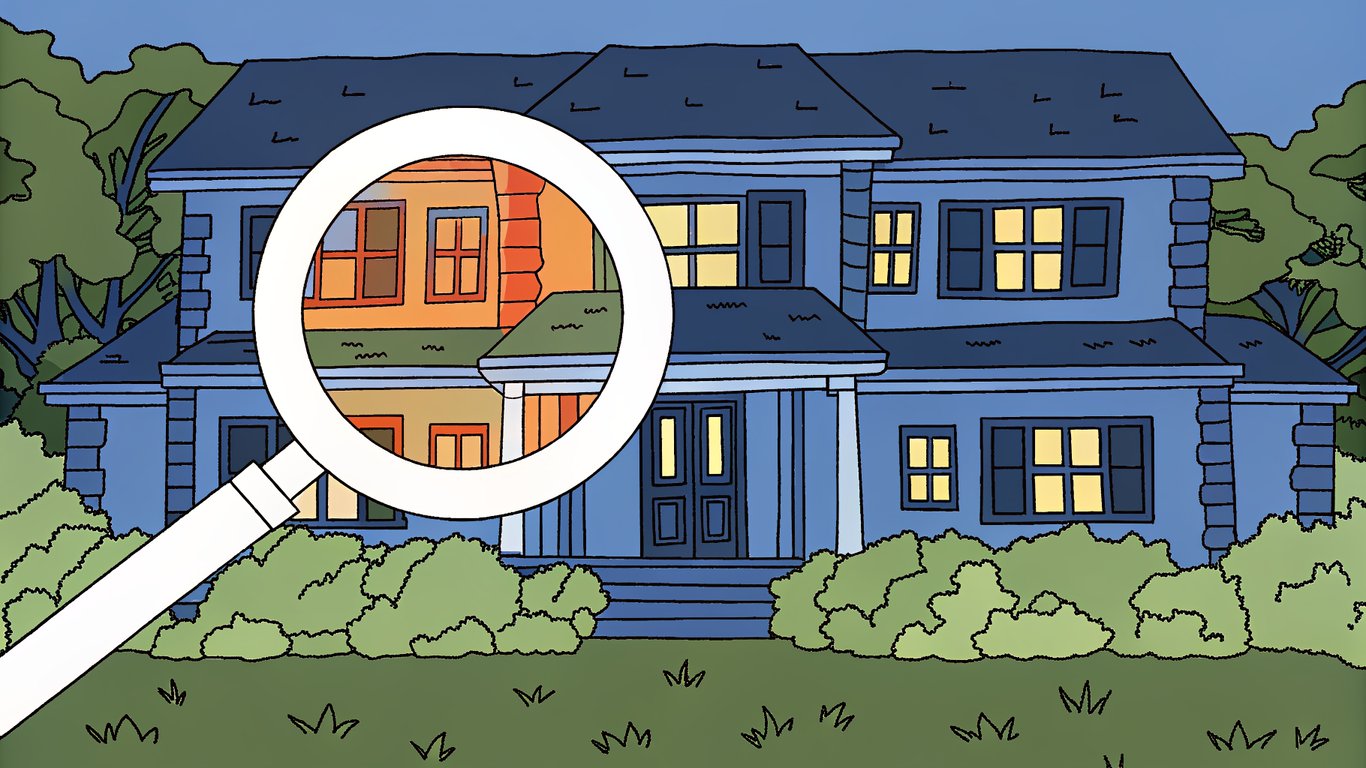
An insulation inspection is a detailed assessment of your home’s thermal envelope. It’s different from a standard home inspection because it focuses specifically on how well your house retains heat and where energy might be escaping.
Think of it as a health checkup for your home’s ability to stay warm in winter and cool in summer. A qualified inspector examines your attic, walls, basement, and crawl spaces to identify gaps, insufficient coverage, or damaged materials that compromise your comfort and drive up energy bills.
Why Insulation Inspections Matter in Quebec
Quebec’s climate puts serious demands on home insulation. We’re talking about winters that regularly drop below -20°C and summers that can hit 30°C. Your insulation works year-round to keep your home comfortable, but it’s during those brutal winter months that inadequate insulation really shows its impact.
Poor insulation doesn’t just mean you’ll feel cold. It means your heating system runs constantly, your energy bills climb, and you’re probably dealing with ice dams on your roof or frost buildup in your attic. Many Quebec homeowners don’t realize their insulation is underperforming until they see the inspection results.
Beyond comfort and cost, proper insulation affects your home’s value. Buyers increasingly look at energy efficiency when making purchase decisions, and a recent insulation inspection report can be a strong selling point.
When Should You Schedule an Insulation Inspection
You don’t need to wait for a problem to get an insulation inspection. Here are situations where scheduling one makes sense:
- Before buying a home, especially older properties built before modern energy codes
- After completing renovations that involved opening walls or ceilings
- When your heating bills seem unusually high compared to similar homes
- If you notice uneven temperatures between rooms
- Every 10-15 years as part of regular home maintenance
- Before applying for energy efficiency rebates through programs like Rénoclimat
Some homeowners schedule inspections in late fall, right before heating season kicks in. That timing gives you a chance to address problems before winter arrives.
What an Insulation Inspection Covers
A thorough insulation inspection examines every part of your home’s thermal envelope. Inspectors don’t just look at visible insulation; they use specialized tools to detect hidden problems.
Attic and Roof Insulation Assessment
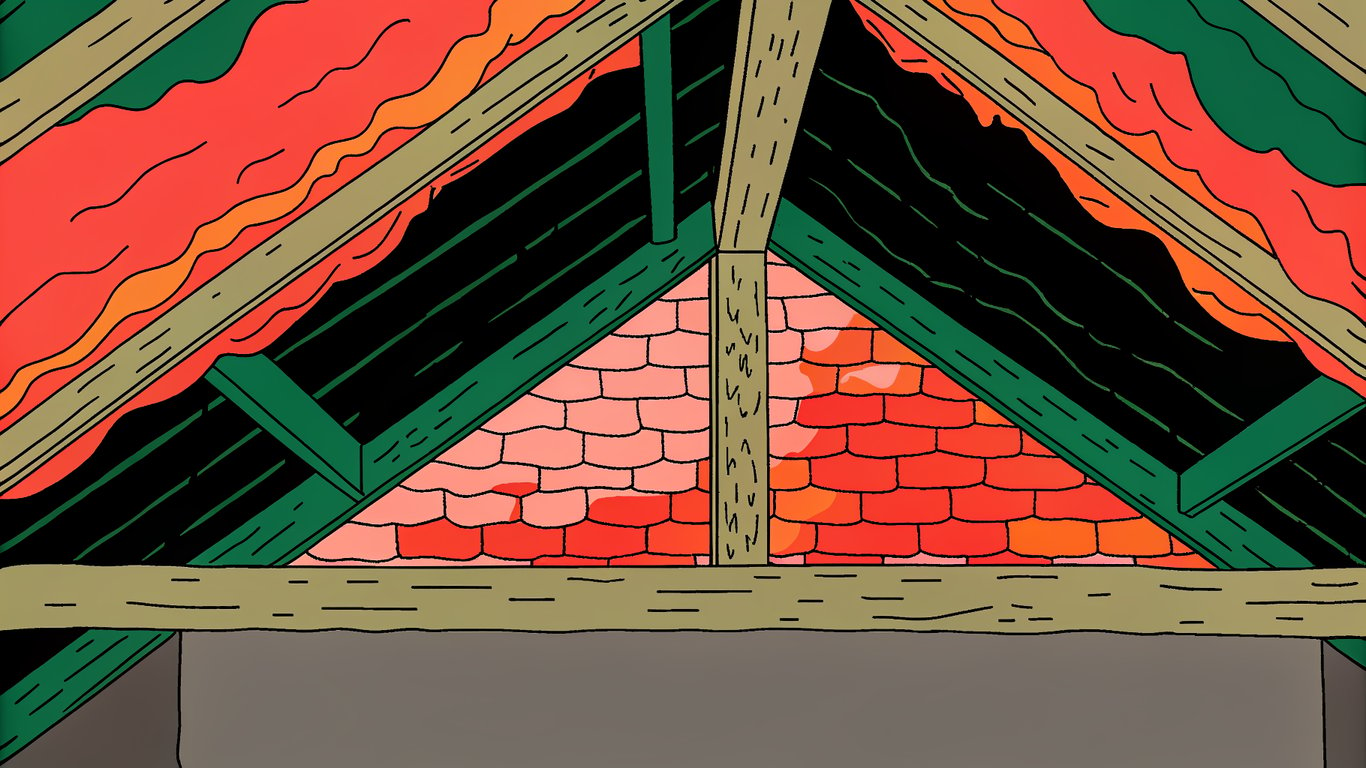
Your attic is where most heat escapes, so inspectors spend significant time here. They measure the depth and type of insulation, checking whether it meets current R-value requirements for Quebec (typically R-50 or higher for attics).
They’ll look for compressed insulation around recessed lights, gaps near the chimney, and areas where insulation has been disturbed or removed. Ventilation is equally important. Proper airflow prevents moisture buildup that can damage both insulation and roof structure.
Wall Insulation Evaluation
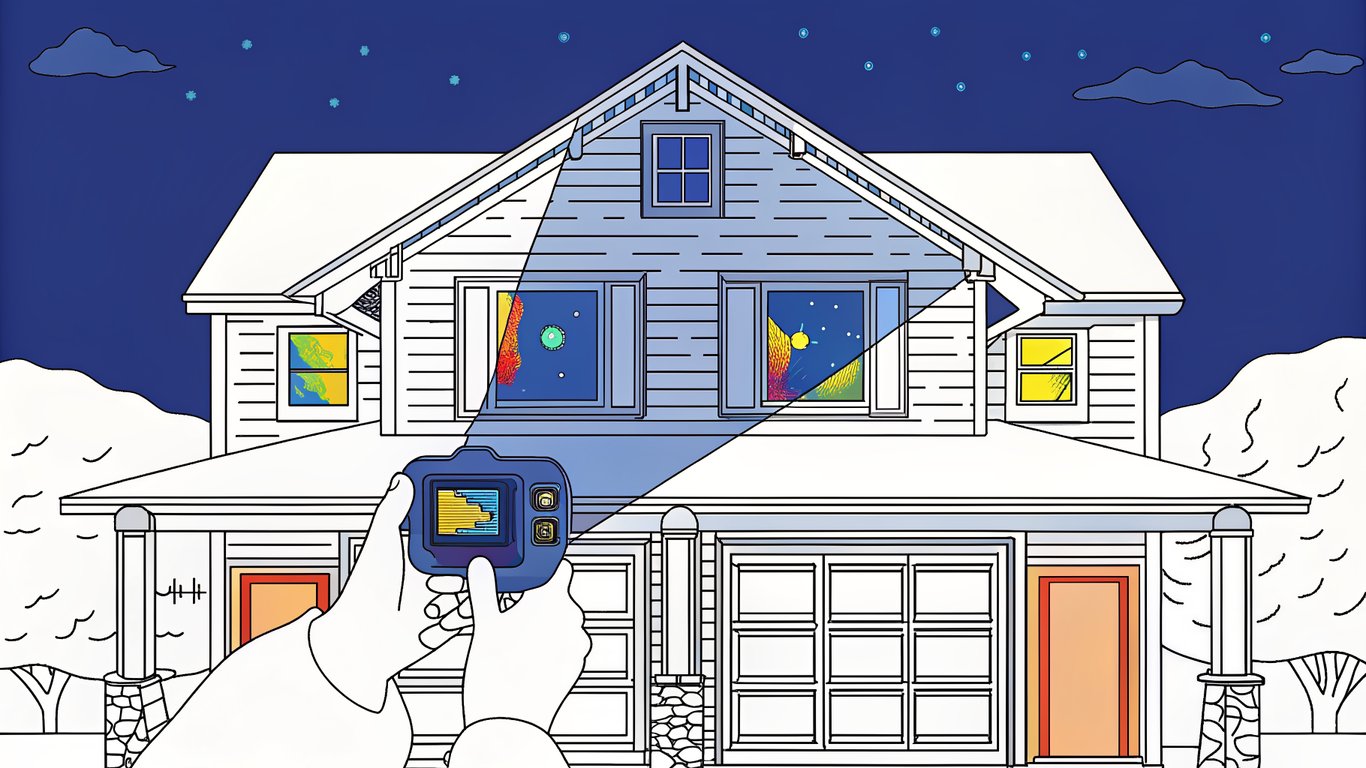
Wall insulation is trickier to assess because you can’t see it without opening walls. That’s where thermal imaging cameras become essential. These cameras detect temperature differences that reveal missing or inadequate insulation behind your walls.
Inspectors pay special attention to exterior walls, particularly on the north side of your home where cold penetration is strongest. They’ll also check around windows and doors, common spots for thermal bridging where heat escapes through the framing.
Basement and Foundation Inspection
Basements present unique challenges in Quebec homes. Many older houses have uninsulated or poorly insulated foundation walls. Inspectors examine basement walls, rim joists (where your floor meets the foundation), and any exposed foundation areas.
Moisture is a major concern in basements. Inspectors look for signs of water infiltration, condensation, or mold that could compromise insulation effectiveness. They’ll also check whether vapor barriers are properly installed to prevent moisture from entering wall cavities.
Crawl Spaces and Floor Insulation
If your home has a crawl space, the inspector will assess insulation between floor joists and check for proper vapor barriers on the ground. Cold floors are often a sign of inadequate crawl space insulation or air leakage.
Air Sealing and Thermal Bridging Detection
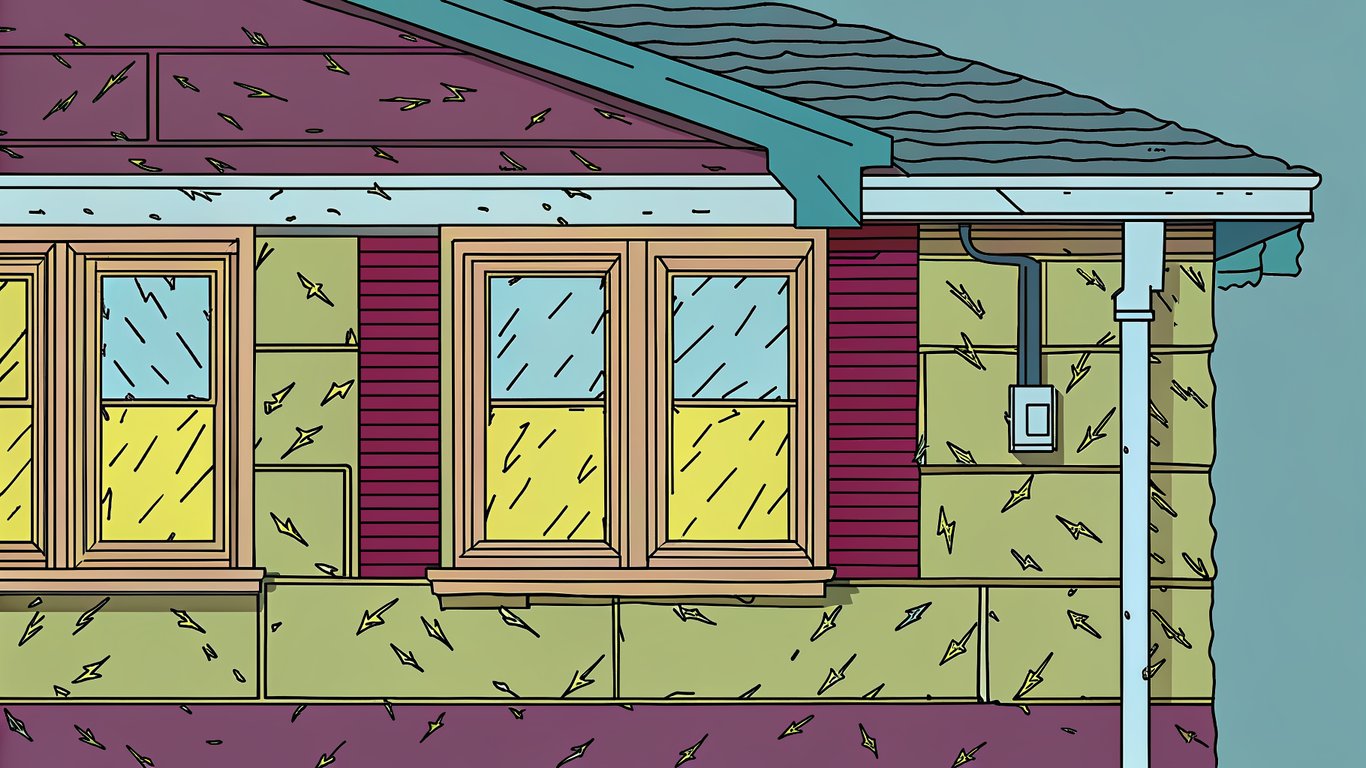
Insulation only works when air can’t bypass it. Inspectors identify air leaks around electrical outlets, plumbing penetrations, attic hatches, and anywhere different building materials meet.
Thermal bridging happens when heat travels through structural elements like studs or joists, bypassing insulation entirely. These cold spots show up clearly on thermal imaging and represent significant energy loss.
Ventilation System Review
Good insulation needs proper ventilation to work effectively. Inspectors evaluate your attic ventilation system, checking intake vents at the soffits and exhaust vents at the ridge or gables. They’ll also review bathroom and kitchen exhaust systems to ensure moisture isn’t being trapped inside your home.
The Insulation Inspection Process: What to Expect
Pre-Inspection Preparation
Before the inspector arrives, clear access to your attic, basement, and any crawl spaces. Move stored items away from attic hatches and basement walls. If you have concerns about specific rooms or areas, make a list to share with the inspector.
You don’t need to do anything special to prepare your home. The inspector wants to see it in its normal state.
Tools and Technology Used
Modern insulation inspections rely on several diagnostic tools:
- Thermal imaging cameras that visualize temperature differences and reveal hidden insulation problems
- Moisture meters to detect water infiltration in walls and insulation
- Blower door tests that pressurize your home to identify air leakage points
- Measuring tools to determine insulation depth and calculate R-values
- Inspection cameras for examining hard-to-reach areas
The thermal imaging camera is probably the most valuable tool. It shows exactly where heat is escaping, even through closed walls.
Visual and Technical Assessment Methods
Inspectors combine visual examination with technical measurements. They’ll physically enter your attic to assess insulation condition, look for signs of moisture or pest damage, and check ventilation. In basements and crawl spaces, they examine exposed insulation and foundation walls.
Technical assessments include measuring insulation thickness, calculating R-values, and using thermal imaging to scan walls and ceilings. Some inspectors perform blower door tests to quantify air leakage throughout your home.
Documentation and Reporting
Inspectors document everything with photos, thermal images, and detailed notes. Your report will include measurements, identified problems, and recommendations for improvements. Many reports also estimate potential energy savings from recommended upgrades.
Typical Findings from Insulation Inspections
Most Quebec homes have at least some insulation issues. Here’s what inspectors commonly find:
Insufficient Insulation Levels
Many older homes were built when energy codes required less insulation. An attic with R-20 insulation might have been acceptable decades ago, but it’s well below today’s R-50 standard. This is one of the most common findings and also one of the easiest to fix.
Compressed or Damaged Insulation
Insulation loses effectiveness when compressed. Inspectors often find fiberglass batts that have been squashed by stored items in attics or compressed around pipes and wiring. Water damage from roof leaks or plumbing problems can also ruin insulation, leaving it matted and ineffective.
Air Leakage and Gaps
Air leaks are everywhere in most homes. Common locations include:
- Around window and door frames
- At electrical outlets and switch plates on exterior walls
- Where plumbing or wiring penetrates walls or ceilings
- Around attic hatches
- At the junction between your foundation and floor framing
- Around recessed lighting fixtures
These gaps let warm air escape in winter and hot air enter in summer, forcing your HVAC system to work harder.
Moisture and Mold Issues
Moisture problems often go hand-in-hand with insulation issues. Inspectors look for water stains, mold growth, or condensation that indicates moisture is getting into insulated spaces. This is particularly common in basements and attics where temperature differences create condensation.
Inadequate Ventilation
Attics need balanced ventilation to prevent moisture buildup. Many homes have blocked soffit vents, insufficient ridge venting, or insulation that’s been pushed too close to the roof deck, blocking airflow. Poor bathroom ventilation can also pump moisture into your attic through ceiling penetrations.
Thermal Bridging Problems
Thermal bridges are structural elements that conduct heat through your insulation. Wood studs, steel beams, and concrete foundations all create paths for heat loss. While you can’t eliminate thermal bridging entirely, inspectors identify areas where it’s particularly problematic.
Outdated or Hazardous Insulation Materials
Some older homes contain vermiculite insulation, which may contain asbestos. Inspectors will flag this for testing and potential removal. They’ll also identify deteriorated insulation that’s lost its effectiveness and needs replacement.
Understanding Your Insulation Inspection Report
Key Metrics and Measurements Explained
Your inspection report will include several technical measurements. R-value measures insulation’s resistance to heat flow; higher numbers mean better insulation. Quebec building codes specify minimum R-values for different parts of your home.
If your inspector performed a blower door test, you’ll see results measured in air changes per hour (ACH). This tells you how many times the air in your home is completely replaced each hour through leaks. Lower numbers are better.
Thermal images show temperature variations in color. Blue and purple areas are cold spots where heat is escaping. Red and orange areas are warmer. These images make it easy to see exactly where your insulation is failing.
Severity Classifications: Critical vs. Recommended Improvements
Not all findings require immediate action. Inspectors typically categorize issues by severity:
Critical issues include hazardous materials like asbestos, active moisture problems causing mold, or structural damage. These need immediate attention.
Important improvements are problems that significantly impact energy efficiency or comfort, like severely inadequate attic insulation or major air leakage. You should address these within a year.
Recommended upgrades would improve performance but aren’t urgent. These might include adding insulation to already-adequate levels or sealing minor air leaks.
Cost Estimates and ROI Projections
Many inspection reports include rough cost estimates for recommended improvements. They might also project potential energy savings, helping you understand the return on investment for different upgrades.
Keep in mind these are estimates. Actual costs depend on your specific situation, the contractor you choose, and current material prices.
Quebec Building Code Compliance
Your report should note whether your insulation meets current Quebec building code requirements. Even if your home was built to code at the time, standards have changed. Knowing where you stand helps you prioritize upgrades and may be required for certain renovation permits.
How to Prioritize Insulation Upgrades Using Inspection Results
Safety-First Approach: Addressing Hazardous Conditions
Start with safety issues. If your inspection identified asbestos-containing materials, arrange for professional testing and removal before doing any other work. Active moisture problems and mold growth also need immediate attention because they affect your health and can damage your home’s structure.
High-Impact, Cost-Effective Improvements
After addressing safety concerns, focus on improvements that deliver the biggest bang for your buck. Attic insulation upgrades typically offer the best return on investment because heat rises and attics are relatively easy to access.
Air sealing is another high-impact, cost-effective improvement. Sealing air leaks around your home can reduce heating costs significantly and makes your insulation work better. Many contractors recommend air sealing before adding insulation.
Creating a Phased Upgrade Plan
You don’t have to fix everything at once. Create a multi-year plan that fits your budget:
- Year 1: Address safety issues and high-impact improvements like attic insulation and air sealing
- Year 2: Tackle basement or crawl space insulation
- Year 3: Consider wall insulation upgrades if needed
This approach spreads costs over time while still making meaningful progress on energy efficiency.
Leveraging Quebec Energy Efficiency Programs and Rebates
Quebec offers several programs to help homeowners improve energy efficiency. The Rénoclimat program provides financial assistance for insulation upgrades and requires an energy evaluation similar to an insulation inspection.
Hydro-Québec also offers rebates for various energy efficiency improvements. Check eligibility requirements before starting work, as some programs require pre-approval or specific contractor qualifications.
Seasonal Timing Considerations
Timing matters for insulation work in Quebec. Attic insulation can be installed year-round, though summer is more comfortable for workers. Spray foam insulation requires temperatures above freezing, making spring through fall the ideal window.
Basement insulation work is less weather-dependent but should be done when you can keep the space dry. Avoid scheduling major insulation projects during the coldest winter months when your home will be open to the elements.
Balancing Immediate Needs with Long-Term Goals
Sometimes you need to choose between a quick fix and a comprehensive solution. If your heating bills are crushing your budget, addressing the worst problems now makes sense even if you plan larger renovations later.
But if you’re planning major renovations within a few years, coordinate your insulation upgrades with that timeline. You don’t want to add attic insulation now if you’re planning to raise your roof next year.
Working with Insulation Professionals After Your Inspection
Choosing Qualified Insulation Contractors in Quebec
In Quebec, contractors performing insulation work should hold a valid Régie du bâtiment du Québec (RBQ) license. This ensures they meet provincial standards for construction work.
Look for contractors with experience in the specific type of work your inspection identified. Someone who specializes in spray foam might not be the best choice for blown-in cellulose insulation. Ask for references and check their work history.
Getting Accurate Quotes Based on Inspection Findings
Share your inspection report with contractors when requesting quotes. This gives them detailed information about your home’s current condition and the specific problems that need addressing.
Get at least three quotes and make sure they’re comparing apples to apples. Each quote should specify the type and amount of insulation, R-values to be achieved, and whether air sealing is included. The cheapest quote isn’t always the best value.
Verifying Work Completion and Quality
After installation, verify the work meets specifications. Check that insulation depth matches what was promised and that air sealing was completed as agreed. Some homeowners schedule a follow-up inspection or thermal imaging scan to confirm improvements.
Keep all documentation, including invoices and warranty information. You’ll need these for rebate applications and future reference.
Making Informed Decisions About Your Home’s Insulation
Long-Term Benefits of Proper Insulation
Investing in insulation improvements pays off in multiple ways. You’ll see lower energy bills, often within the first heating season. Your home will be more comfortable, with fewer cold spots and more consistent temperatures between rooms.
Better insulation also reduces wear on your heating and cooling systems because they don’t have to run as often. And when you eventually sell your home, energy efficiency is increasingly important to buyers.
Next Steps for Quebec Homeowners
If you haven’t had an insulation inspection, that’s your starting point. Find a qualified inspector who uses thermal imaging and other diagnostic tools to give you a complete picture of your home’s thermal performance.
Once you have your report, take time to understand the findings. Prioritize improvements based on safety, impact, and your budget. Look into available rebates and financing options that can make upgrades more affordable.
Don’t feel overwhelmed by a long list of recommendations. Even small improvements make a difference. Start with what you can afford now and build from there. Your home’s insulation is an investment that keeps paying dividends through lower bills and better comfort for years to come.