

If you’ve ever wondered why your heating bills spike every winter or why certain rooms in your home feel drafty, the answer probably lies in your insulation’s R-value. But what exactly is R-value, and why should Quebec homeowners care about it more than most?
What is R-Value and How Does It Work?
R-value measures thermal resistance. The higher the R-value, the better the material resists heat flow. Think of it like a winter coat: a thin jacket might have an R-value of 2, while a heavy parka could be R-10 or higher. Your home’s insulation works the same way.
When heat tries to escape your home in winter (or enter during summer), insulation slows that transfer. Each point of R-value represents a specific amount of resistance to heat flow. So R-30 insulation provides twice the resistance of R-15.
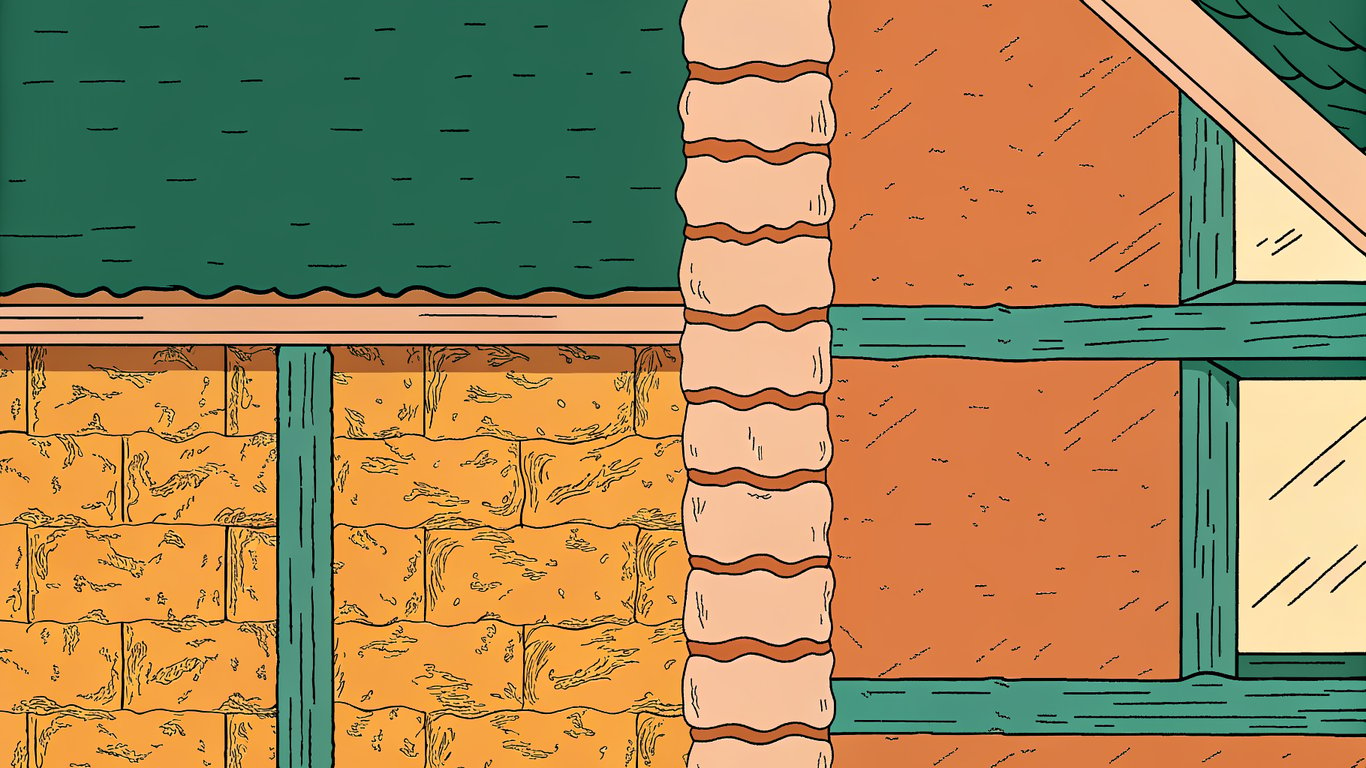
The math is straightforward: better insulation means your furnace runs less, you spend less on energy, and your home stays more comfortable year-round.
Why R-Value Matters More in Quebec’s Climate
Quebec’s climate is brutal on homes. We’re talking temperature swings from -30°C in January to +30°C in July. That’s a 60-degree range your home needs to handle.
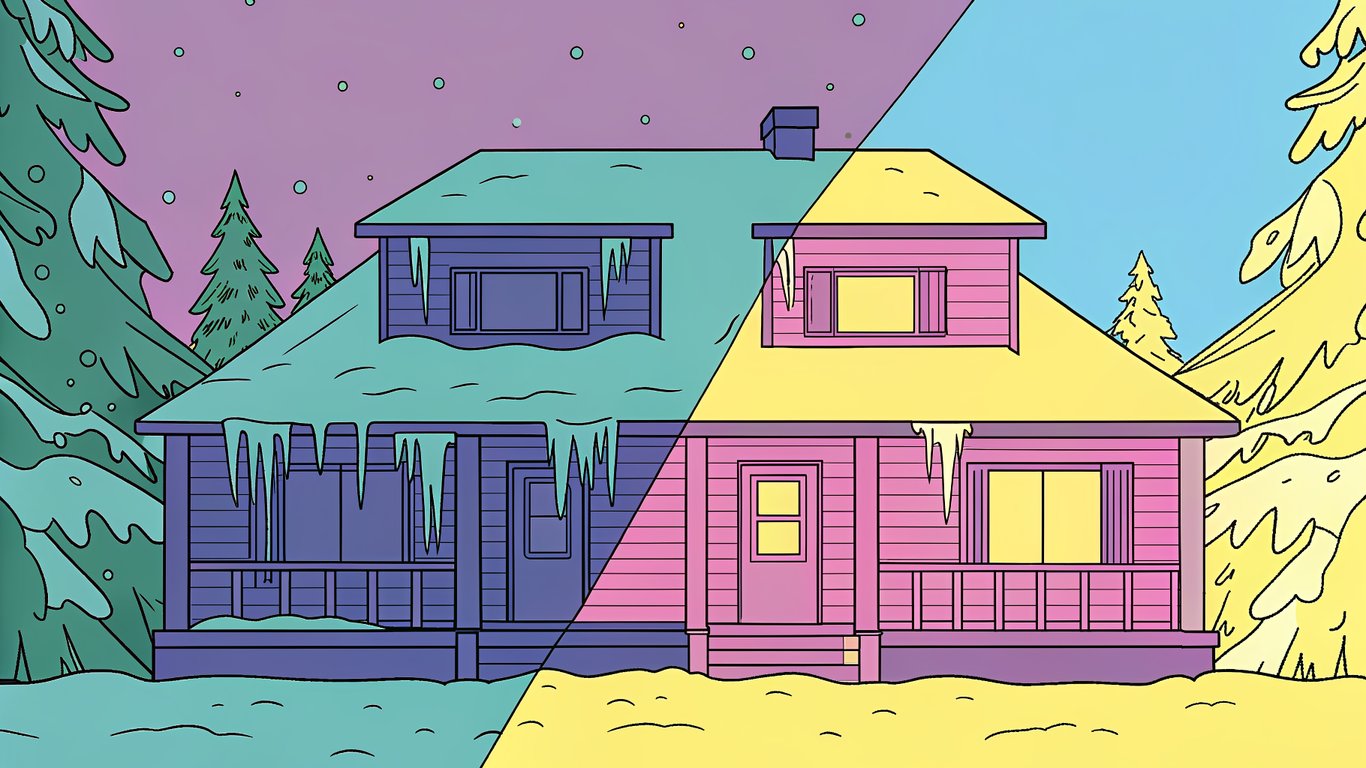
Most Quebec homes face heating costs that represent 50-60% of total energy bills. Inadequate insulation doesn’t just cost you money. It creates ice dams on roofs, frozen pipes in walls, and uncomfortable cold spots that no amount of thermostat adjustment can fix.
I’ve seen homes in Montreal with R-12 attic insulation (way below recommended levels) where homeowners were spending $3,000+ annually on heating. After upgrading to R-50, those same homes cut heating costs by 40% or more.
R-Value vs. RSI: Understanding Canadian Insulation Standards
Here’s where things get confusing. Canada officially uses the metric RSI system, but most contractors and homeowners still talk in imperial R-values. RSI stands for “Résistance Système International.”
The conversion is simple: RSI = R-value ÷ 5.678. So R-30 equals approximately RSI-5.3. Quebec building codes list requirements in RSI, but product packaging often shows both measurements.
Don’t let this confuse you. When working with contractors, just confirm which system they’re using. Most will default to R-values since that’s what homeowners understand.
Common R-Value Myths Debunked
The biggest myth? “More insulation is always better.” Not true. Once you hit recommended levels, adding more provides diminishing returns. Going from R-30 to R-40 in your attic makes sense. Going from R-60 to R-80 probably doesn’t justify the cost.
Another misconception: “R-value is the only thing that matters.” Wrong. Air sealing is equally important. You can have R-60 insulation, but if air leaks around it, you’re wasting money. Proper installation matters as much as the R-value itself.
Some folks think all insulation materials with the same R-value perform identically. Not quite. Different materials handle moisture differently, settle at different rates, and work better in specific applications.
Quebec Building Code Requirements and Recommendations for 2026
Building codes set minimum standards, but smart homeowners often exceed them. Let’s break down what’s required and what’s recommended for Quebec homes.
Current Quebec Building Code Minimum R-Values
Quebec’s construction code establishes baseline requirements that vary by building component. These minimums ensure new construction meets basic energy efficiency standards, though many builders exceed them.
| Building Component | Minimum R-Value | Recommended R-Value |
|---|---|---|
| Attic/Ceiling | R-40 (RSI-7.0) | R-50 to R-60 |
| Exterior Walls | R-20 (RSI-3.5) | R-24 to R-30 |
| Basement Walls | R-12 (RSI-2.1) | R-20 to R-24 |
| Floors Over Unheated | R-30 (RSI-5.3) | R-30 to R-40 |
These are minimums for new construction. Existing homes often fall short, which is why renovation projects should aim higher when possible.
Climate Zone Considerations Across Quebec
Quebec isn’t uniform. Montreal’s climate differs significantly from Saguenay or Abitibi. Southern regions near the US border experience milder winters than northern areas.
Homes in Montreal or Gatineau can typically meet code with standard recommendations. But if you’re building in Chibougamau or Sept-Îles, you’ll want to push those R-values higher. Northern Quebec homes should target R-60+ in attics and R-30+ in walls.
Your local municipality may have additional requirements beyond provincial minimums. Always check with your city’s building department before starting work.
2026 Updates and Future-Proofing Your Home
Building codes evolve as energy efficiency becomes more critical. While specific 2026 changes vary, the trend is clear: requirements keep increasing. What exceeds code today might be standard tomorrow.
Future-proofing means building or renovating to standards that’ll remain relevant for 20+ years. If you’re opening walls or ceilings anyway, max out the insulation. It’s far cheaper to do it right once than to redo it later.
Government Rebates and Incentive Programs
Quebec and federal governments offer programs to offset insulation upgrade costs. The Rénoclimat program provides grants for energy-efficient renovations, including insulation improvements.
The federal Canada Greener Homes Grant offers up to $5,000 for eligible retrofits. Combined with provincial programs, you could recover a significant portion of your insulation investment.
These programs typically require pre- and post-renovation energy audits. The audits cost money upfront but often pay for themselves through the grants received.
Attic Insulation: Your Home’s First Line of Defense
Heat rises. That’s not just a saying; it’s physics. Your attic is where most heat loss occurs, making it the single most important area to insulate properly. This r value insulation guide prioritizes attics for good reason.
Recommended R-Values for Quebec Attics
Don’t settle for code minimum in your attic. While R-40 meets requirements, R-50 to R-60 is the sweet spot for Quebec homes. Some energy-conscious builders push to R-70 in northern regions.
The payback period for attic insulation is typically 3-7 years through energy savings. After that, it’s pure profit in your pocket every heating season.
Best Insulation Materials for Attic Spaces
Blown-in cellulose is popular for attics. It’s cost-effective, fills gaps well, and achieves high R-values quickly. Fiberglass batts work too but require careful installation to avoid gaps.
Spray foam costs more but provides excellent air sealing along with insulation. It’s particularly useful in cathedral ceilings or complex attic spaces where blown-in material won’t work.
- Blown-in cellulose: R-3.5 per inch, eco-friendly, settles over time
- Fiberglass batts: R-3.0 to R-4.0 per inch, DIY-friendly, can leave gaps if poorly installed
- Spray foam: R-6.0 to R-7.0 per inch, excellent air sealing, higher cost
- Mineral wool: R-3.0 to R-4.0 per inch, fire-resistant, moisture-resistant
Ventilation Requirements and Moisture Management
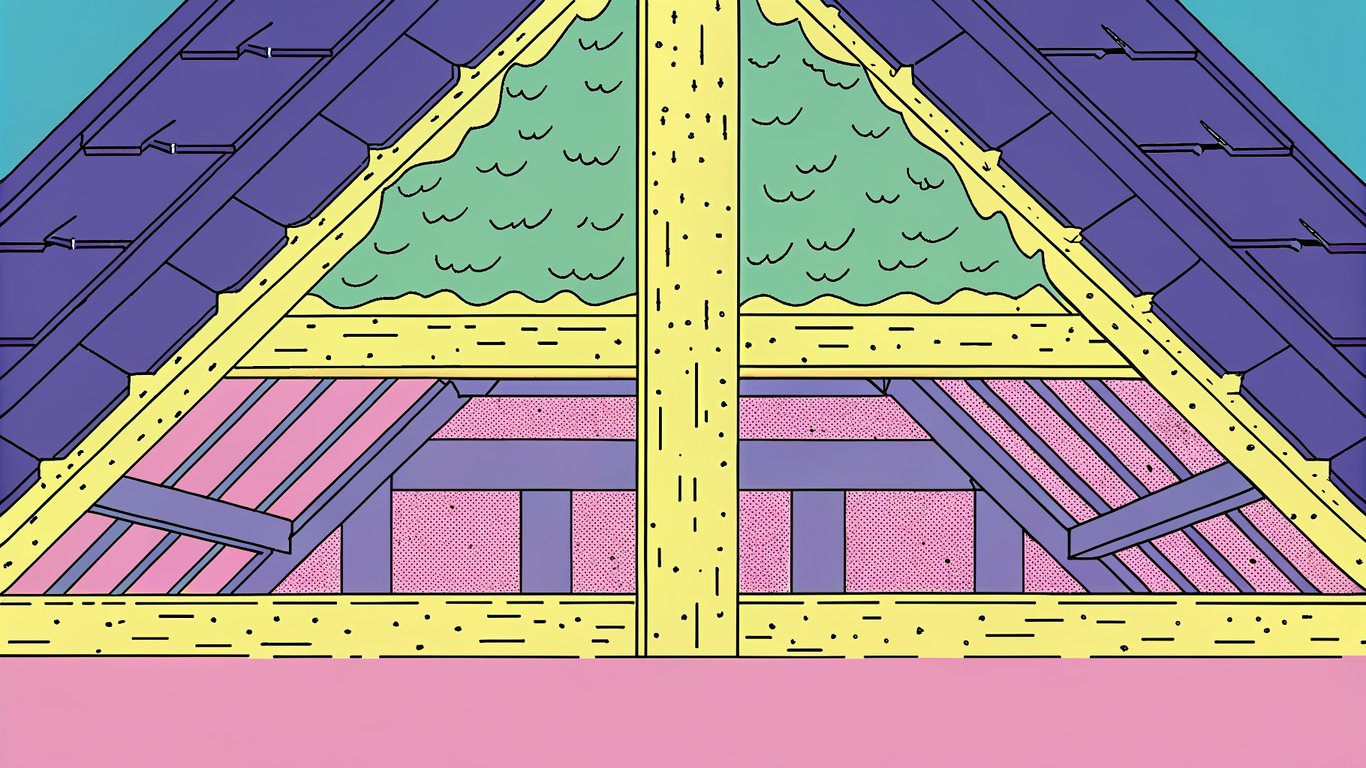
Here’s the critical part many homeowners miss: attics need to breathe. Proper ventilation prevents moisture buildup that leads to mold, rot, and ice dams.
Your attic should have intake vents at the soffits and exhaust vents at the ridge or gables. The general rule is 1 square foot of ventilation per 150 square feet of attic space.
Never block soffit vents with insulation. Use baffles to maintain airflow channels between the roof deck and insulation. This seems like a small detail but makes a huge difference in preventing moisture problems.
Wall Insulation: Balancing Performance and Practicality
Walls present unique challenges. You can’t just pile on insulation like in an attic. You’re working within fixed cavity depths, and retrofit situations get complicated fast.
Recommended R-Values for Quebec Exterior Walls
Standard 2×4 walls max out around R-15 with fiberglass batts. That’s below code minimum. Most new construction uses 2×6 framing, which accommodates R-20 to R-24 insulation comfortably.
Want to exceed code? Add exterior rigid foam insulation over the sheathing before siding. This creates a continuous insulation layer that reduces thermal bridging through studs. You can achieve R-30+ total wall assembly this way.
New Construction vs. Retrofit Insulation Strategies
New construction is straightforward. You’ve got open walls, so install whatever insulation level you want. Spray foam, batts, blown-in—all options are on the table.
Retrofitting existing walls is trickier. You’re either removing interior drywall (expensive and disruptive) or drilling holes to blow in insulation (less invasive but limited R-value). Dense-pack cellulose or spray foam can be blown into closed wall cavities, typically achieving R-13 to R-15 in 2×4 walls.
Exterior insulation retrofits involve adding rigid foam or mineral wool boards outside, then re-siding. This approach doesn’t disturb interior finishes but requires window and door extensions.
Thermal Bridging and Continuous Insulation
Wood studs conduct heat. Even with R-20 insulation between studs, the studs themselves create thermal bridges that reduce overall wall performance by 20-30%.
Continuous insulation (exterior rigid foam or mineral wool) breaks these thermal bridges. It’s one of the most effective upgrades for wall performance, though it adds cost and complexity to construction.
Basement and Foundation Insulation: Protecting Your Home’s Base
Basements are weird. They’re partially underground, dealing with soil moisture and frost penetration. This r value insulation guide treats them differently than above-grade spaces for good reason.
Recommended R-Values for Quebec Basements
Code minimum is R-12 for basement walls, but R-20 to R-24 is better practice. The ground provides some insulation value, so basement requirements are lower than above-grade walls.
Basement floors need insulation too if you’re finishing the space. R-10 minimum under slabs, though R-20 is preferable for heated basement floors.
Interior vs. Exterior Foundation Insulation
Exterior foundation insulation (applied during construction) is ideal. It protects the foundation from freeze-thaw cycles and keeps the concrete mass inside the thermal envelope.
Most existing homes need interior insulation. Rigid foam boards or spray foam work well. Frame a 2×4 wall inside the foundation, insulate, then finish with drywall. This approach is less disruptive than excavating around the entire foundation.
Moisture Control and Vapor Barriers
Basements and moisture go hand in hand. Before insulating, fix any water infiltration issues. Insulating a wet basement just traps moisture and creates mold problems.
Use closed-cell spray foam or rigid foam insulation that won’t absorb moisture. If using fiberglass or mineral wool, install a proper vapor barrier on the warm side. Never use faced fiberglass batts directly against concrete—they’ll wick moisture and grow mold.
Other Critical Areas: Floors, Doors, and Windows
Don’t forget the details. These smaller areas add up to significant heat loss if ignored.
Floor Insulation Over Unheated Spaces
Floors above garages, crawl spaces, or cantilevered sections need R-30 minimum. Cold floors are uncomfortable and waste energy. Spray foam or fiberglass batts work, but ensure they’re held tight against the subfloor without gaps.
Rim Joist and Band Board Insulation
Rim joists (where floor joists meet the foundation) are notorious heat loss points. Many older homes have zero insulation here. Spray foam is ideal for rim joists because it air seals while insulating. Target R-20 minimum.
Window and Door R-Values
Windows use U-factor instead of R-value (U-factor is the inverse—lower is better). Quality windows for Quebec should have U-factors of 0.25 or lower. Triple-pane windows with low-E coatings and argon gas fill perform best.
Insulated steel or fiberglass doors should have R-values of R-15 or higher. Weather-stripping around doors matters as much as the door itself.
Making Your Decision: Practical Implementation Guide
You’ve got the knowledge. Now let’s talk about actually getting this work done.
Conducting a Home Energy Audit
Start with a professional energy audit. Auditors use blower door tests and thermal imaging to identify exactly where your home loses heat. They’ll measure existing R-values and prioritize improvements by ROI.
Audits cost $300-600 but often pay for themselves through rebate programs. Plus, you’ll know exactly what needs fixing instead of guessing.
Choosing the Right Insulation Materials for Your Situation
Budget matters. Blown-in cellulose offers the best value for attics. Spray foam costs more but excels in complex spaces or where air sealing is critical. Fiberglass batts are DIY-friendly and affordable but require careful installation.
Consider your home’s age and construction. Older homes with plaster walls might need different approaches than modern drywall construction. Heritage homes have unique considerations around moisture and breathability.
Finding and Vetting Qualified Insulation Contractors in Quebec
Look for contractors certified by the Corporation des maîtres mécaniciens en tuyauterie du Québec or similar professional organizations. Ask for references and check them.
- Verify licensing and insurance coverage
- Request detailed written quotes with R-value specifications
- Ask about their experience with your specific home type
- Confirm they’ll handle required permits and inspections
- Check online reviews and Better Business Bureau ratings
DIY vs. Professional Installation: When to Call the Experts
Attic insulation with batts or blown-in cellulose is DIY-friendly if you’re comfortable working in tight spaces. Spray foam requires professional equipment and expertise—don’t attempt it yourself.
Wall insulation retrofits almost always need professionals. Basement insulation falls somewhere in between; framing and installing rigid foam is manageable for experienced DIYers, but spray foam needs pros.
Consider your time, skill level, and the project scope. Sometimes paying professionals is worth it for the warranty, speed, and peace of mind.
Measuring Success: How to Verify Proper Installation
After installation, verify the work meets specifications. Measure insulation depth in accessible areas. A post-renovation energy audit confirms improvements and qualifies you for rebate programs.
Watch your energy bills over the next heating season. You should see noticeable reductions. If not, something might be wrong with the installation or you might have other issues like air leaks that need addressing.
Proper insulation transforms your home’s comfort and efficiency. Quebec’s climate demands it, and your wallet will thank you. Start with an energy audit, prioritize your attic, and work your way through the rest of your home systematically. The investment pays dividends for decades.