

What is Open-Cell Spray Foam?
Open-cell spray foam is a type of insulation that expands when applied, creating a spongy, flexible material filled with tiny air pockets. Unlike its closed-cell cousin, the cells in this foam don’t fully close during the curing process. They remain open, allowing air and moisture vapor to move through the material.
Think of it like a kitchen sponge versus a foam pool noodle. Open cell has that soft, compressible texture you can squeeze with your hand. The cellular structure creates millions of interconnected bubbles that trap air while remaining permeable to moisture vapor.
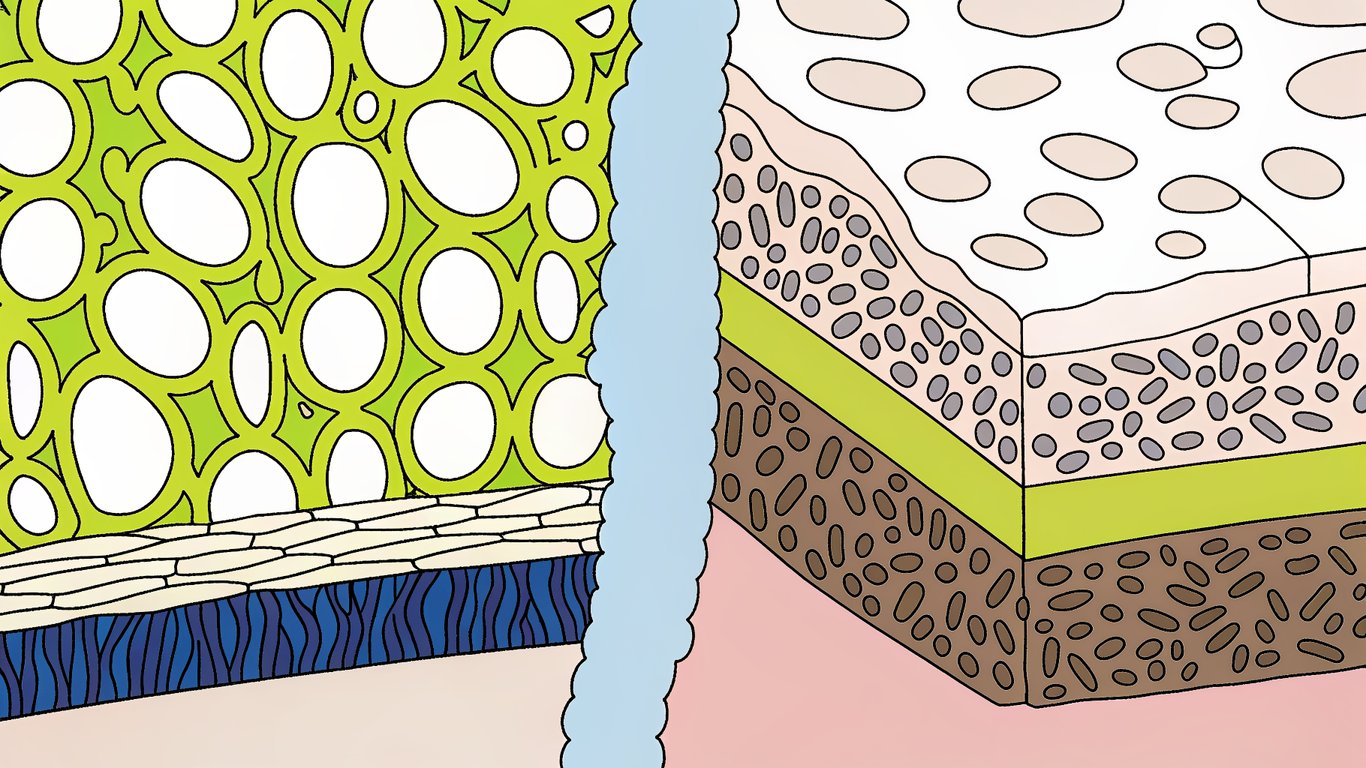
This unique structure gives open cell spray foam a density around 0.5 pounds per cubic foot. That’s significantly lighter than closed-cell foam, which typically weighs around 2 pounds per cubic foot. The lower density means you’re getting more coverage per dollar, but with different performance characteristics we’ll explore throughout this guide.
How Open-Cell Spray Foam is Applied
Professional installers spray open cell foam using specialized equipment that mixes two chemical components. When these components meet, they react and expand rapidly, sometimes up to 100 times their original liquid volume. It’s pretty dramatic to watch if you’ve never seen it before.
The foam expands to fill cavities, gaps, and irregular spaces that would be nearly impossible to insulate with traditional materials. Within seconds, it starts to cure and harden into that characteristic spongy texture. Most open cell foams fully cure within 24 hours, though you’ll notice it’s firm to the touch much sooner.
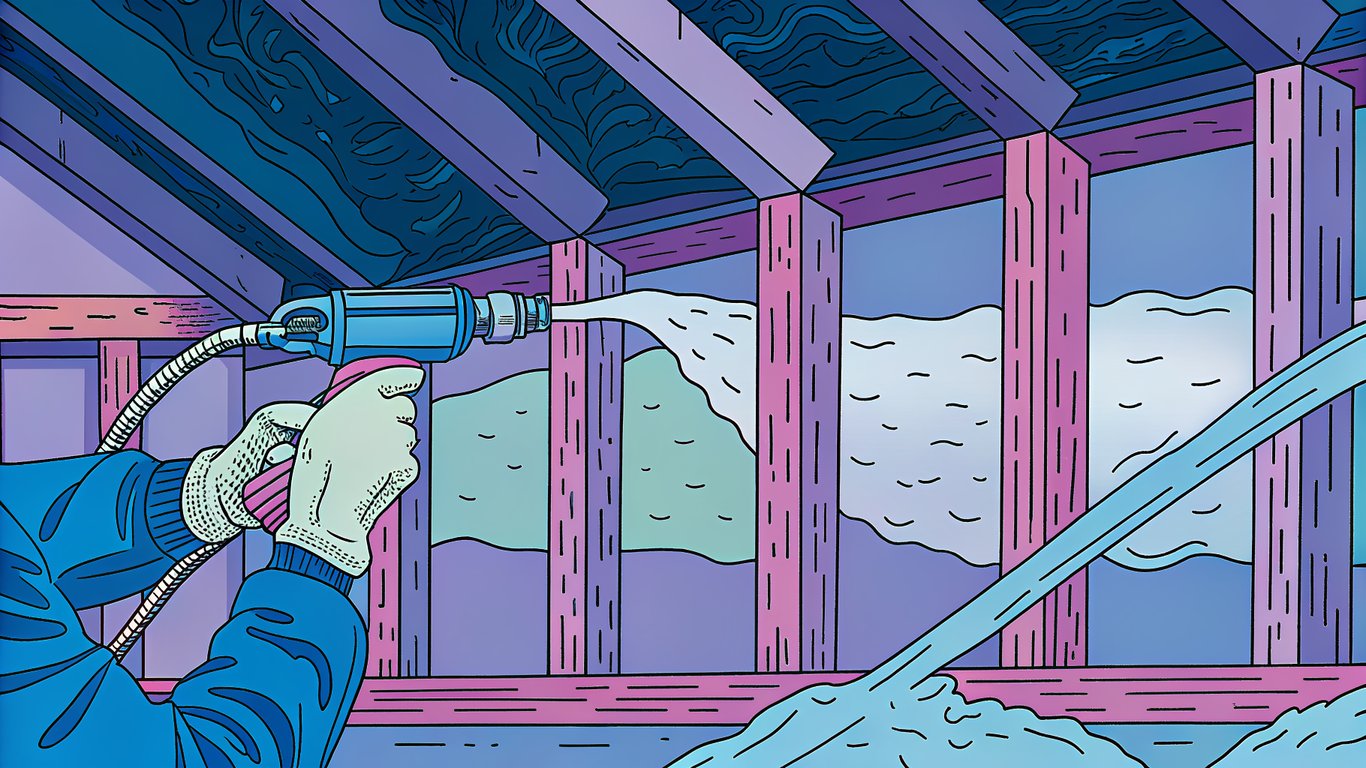
During application, installers typically spray in layers or “passes” to achieve the desired thickness. For Quebec homes, you might need several inches to meet code requirements and achieve adequate R-value for our climate. The expansion properties mean installers need experience to avoid overfilling cavities or creating uneven surfaces.
Key Physical Characteristics
Open cell foam feels soft and flexible compared to other insulation types. You can press into it with your finger, and it’ll spring back. This flexibility helps it accommodate building movement and settling without cracking or creating gaps, which is particularly useful in Quebec where freeze-thaw cycles can stress building materials.
The material has a light tan or off-white color when cured, though this can vary slightly between manufacturers. It doesn’t sag or settle over time like some blown-in insulations, maintaining its shape and performance for decades when properly installed.
One characteristic that surprises some homeowners is the texture. It’s not smooth like rigid foam boards. Instead, it has an irregular, bumpy surface from the expansion process. This doesn’t affect performance, but it’s worth knowing if you’re planning to leave it exposed in areas like basement ceilings.
Performance Characteristics of Open-Cell Spray Foam
R-Value and Thermal Performance
Open cell spray foam typically provides an R-value between 3.5 and 3.7 per inch of thickness. That’s lower than closed-cell foam, which delivers around R-6 to R-7 per inch, but it’s still respectable compared to traditional insulation options.
For Quebec’s climate, building codes often require higher total R-values to handle our cold winters. This means you’ll need more thickness with open cell to achieve the same insulation level as closed cell. A typical wall cavity might need 5-6 inches of open cell foam to meet code requirements, whereas closed cell might only need 3-4 inches.
But here’s the thing: R-value isn’t the whole story. The air sealing properties of spray foam often matter more than the R-value alone. Air leaks can account for 25-40% of heating and cooling costs in homes, and open cell foam excels at stopping those leaks.
Air Sealing and Draft Prevention
This is where open cell really shines. The foam expands into every crack, gap, and irregular space, creating an effective air barrier that traditional insulation simply can’t match. Those cold drafts that sneak around electrical outlets or along baseboards? Open cell foam eliminates them.
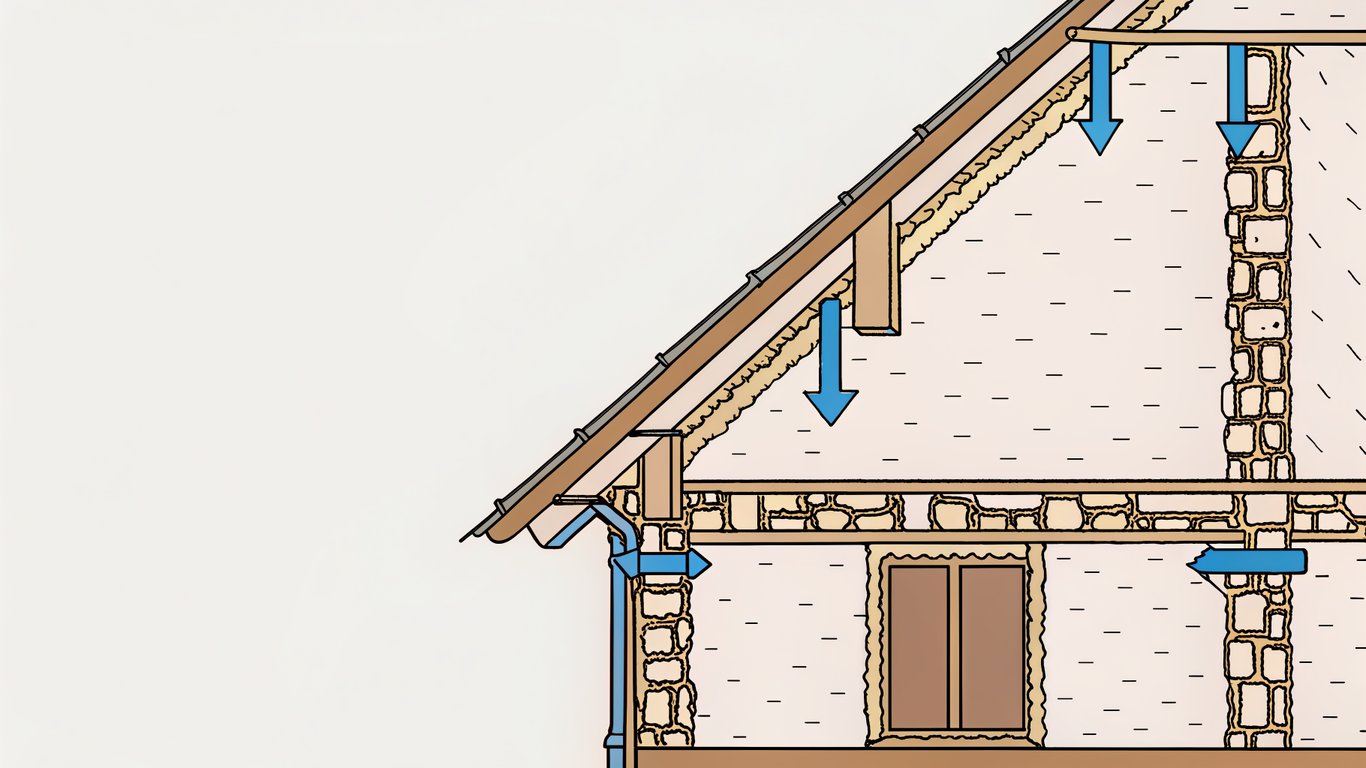
In Quebec winters, air sealing probably matters more than adding extra R-value. A well-sealed home with moderate insulation will outperform a poorly-sealed home with high R-value insulation. The foam’s expansion properties mean it seals around pipes, wires, and framing irregularities automatically during installation.
Many homeowners notice an immediate difference in comfort after installation. Rooms feel more evenly heated, and those cold spots near windows or exterior walls become less noticeable. Your heating system doesn’t have to work as hard to maintain temperature when it’s not constantly fighting air infiltration.
Sound Dampening Properties
Open cell foam provides excellent soundproofing, better than closed-cell foam or traditional insulation. The open cellular structure absorbs sound waves rather than reflecting them, making it ideal for interior walls between rooms or for reducing outside noise.
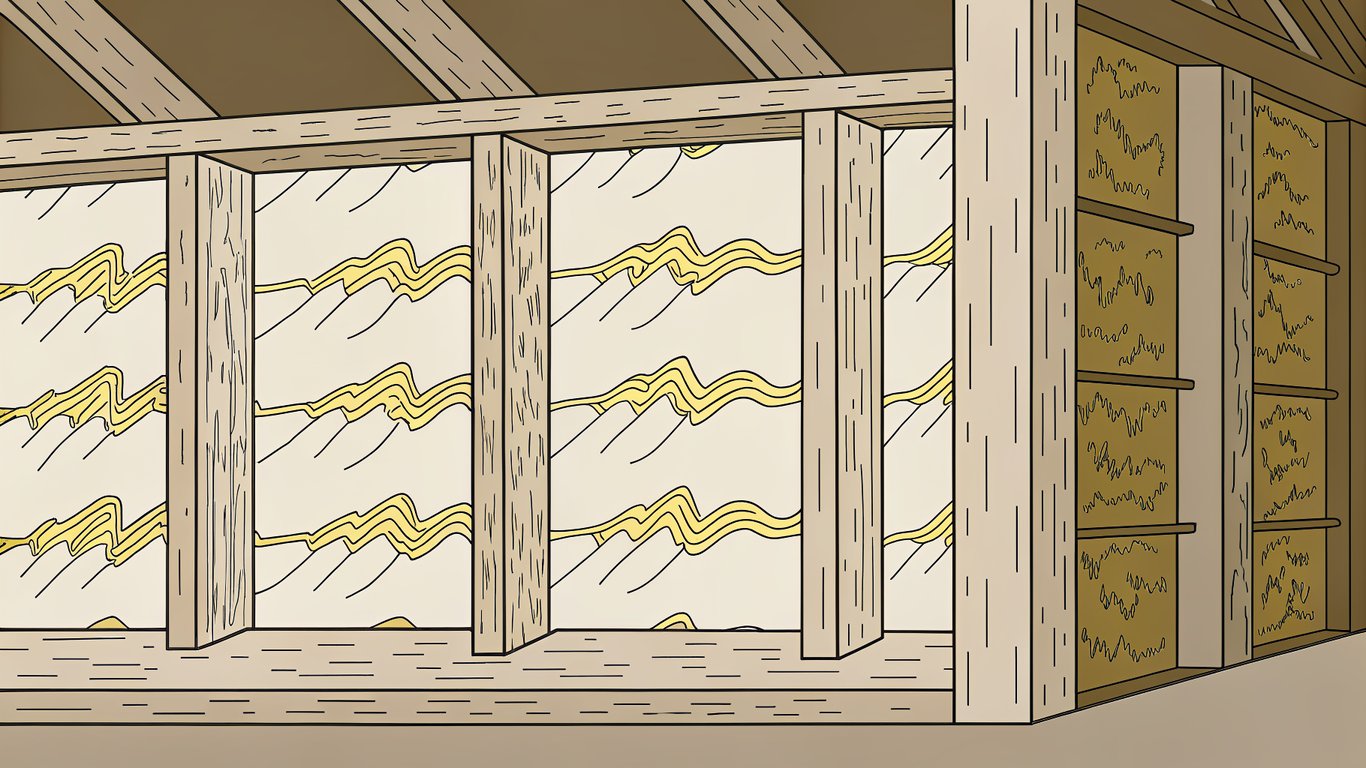
If you live near a busy street in Montreal or Quebec City, or if you’re building a home theater or music room, open cell foam can significantly reduce noise transmission. It’s particularly effective at dampening mid-range frequencies like voices and television sound.
Some homeowners use open cell specifically for this acoustic benefit, even in applications where closed cell might provide better thermal performance. The sound reduction can be that noticeable, especially in multi-story homes where footstep noise between floors becomes an issue.
Moisture and Vapor Permeability
Here’s where things get important for Quebec homeowners. Open cell foam is vapor permeable, meaning moisture vapor can pass through it. This isn’t necessarily bad, but it does require proper installation with a vapor barrier on the warm side of the insulation.
In Quebec’s climate, with cold winters and humid summers, moisture management is critical. The permeability of open cell means you need to follow building code requirements for vapor barriers carefully. Without proper vapor control, you risk condensation issues within wall cavities during winter months.
The upside? If moisture does get into a wall cavity, open cell allows it to dry out rather than trapping it. This can prevent mold growth and wood rot in some situations. But you’re still better off preventing moisture intrusion in the first place through proper vapor barrier installation and ventilation.
Open-Cell vs. Closed-Cell Spray Foam: Key Differences
Structural and Density Differences
The fundamental difference comes down to those cell structures. Closed-cell foam has cells that completely close during curing, creating a rigid, dense material. Open cell’s cells remain open and interconnected, resulting in a softer, more flexible product.
At 0.5 pounds per cubic foot, open cell weighs about a quarter of what closed cell weighs. This density difference affects everything from cost to performance to application suitability. Closed cell adds some structural strength to walls and roofs. Open cell doesn’t provide meaningful structural reinforcement.
You can compress open cell foam with your hand. Try that with closed cell and you won’t make much of a dent. This physical difference matters when you’re working in tight spaces or need to trim foam flush with framing members.
Insulation Performance Comparison
Closed cell delivers roughly twice the R-value per inch compared to open cell. For the same wall thickness, you’ll get significantly better thermal resistance with closed cell. But you’ll also pay more for that performance.
In a standard 2×6 wall cavity, you could fit about 5.5 inches of either foam type. With open cell, that gives you roughly R-19 to R-20. With closed cell, you’d get around R-33 to R-38. That’s a substantial difference, especially in Quebec’s climate where every bit of R-value helps during those -30°C winter nights.
However, both foam types provide excellent air sealing. The difference in actual heating costs might be smaller than the R-value gap suggests, particularly if you’re comparing to poorly-sealed traditional insulation.
Moisture Handling: Vapor Permeability vs. Vapor Barrier
This is probably the most critical difference for Quebec applications. Closed cell foam acts as its own vapor barrier when applied at sufficient thickness. Open cell doesn’t, requiring a separate vapor barrier installation.
In Quebec, where we deal with extreme temperature differences between inside and outside during winter, vapor drive can be significant. Warm, moist indoor air wants to migrate toward cold exterior surfaces. Closed cell stops this migration. Open cell allows it, which is why that separate vapor barrier becomes essential.
Some builders prefer open cell’s permeability because it allows walls to dry if they do get wet. Others prefer closed cell’s built-in vapor barrier for simplicity and reliability. There’s no universally right answer, but understanding the difference helps you make an informed choice for your specific situation.
Cost Differences and Value Proposition
Open cell typically costs less per board foot than closed cell. The material itself is less expensive, and the lower density means you’re using less product. For large areas like attics or cathedral ceilings, this cost difference can be substantial.
Closed cell requires more material and often more labor to install properly. The equipment needs to handle higher pressures, and the application technique is more demanding. These factors contribute to higher overall project costs.
But you need to consider total project costs, not just foam costs. If you need a separate vapor barrier with open cell, that adds labor and materials. If you need extra thickness to achieve required R-values, that might eat into the cost savings. Sometimes closed cell ends up being more cost-effective when you factor in everything.
Open-Cell Spray Foam vs. Traditional Insulation Options
Open-Cell vs. Fiberglass Batts
Fiberglass batts are the traditional go-to insulation for many Quebec homes. They’re cheap, widely available, and familiar to most contractors. But they don’t seal air leaks, and they lose effectiveness when compressed or improperly installed.
Open cell foam costs more upfront but provides superior air sealing and doesn’t settle or compress over time. A wall insulated with fiberglass might have an R-value of R-20 on paper, but air leaks around the batts can reduce real-world performance significantly. Open cell maintains its performance because it seals those gaps.
Fiberglass also absorbs moisture if it gets wet, losing R-value and potentially supporting mold growth. Open cell can get wet and dry out without permanent damage, though you still want to avoid moisture problems in the first place.
Open-Cell vs. Blown-In Cellulose
Cellulose insulation offers decent R-value and better air sealing than fiberglass batts, especially when dense-packed. It’s also relatively affordable and made from recycled materials, which appeals to environmentally-conscious homeowners.
However, cellulose can settle over time, creating gaps at the top of wall cavities. It doesn’t seal air leaks as effectively as spray foam, and it can absorb significant amounts of water if exposed to leaks. In Quebec’s climate, moisture issues with cellulose can be problematic.
Open cell won’t settle and provides better air sealing. The cost difference has narrowed in recent years as cellulose prices have increased and spray foam has become more competitive. For new construction or major renovations, open cell often makes more sense despite the higher initial cost.
Open-Cell vs. Mineral Wool
Mineral wool (also called rock wool) offers excellent fire resistance and good sound dampening. It doesn’t absorb water like fiberglass, and it maintains its R-value when wet. These properties make it popular for certain applications.
But mineral wool doesn’t seal air leaks any better than fiberglass. You still need separate air sealing measures, which adds complexity and cost. Open cell handles both insulation and air sealing in one application.
For soundproofing, both materials perform well, though open cell might have a slight edge in some frequency ranges. Mineral wool costs more than fiberglass but less than spray foam, positioning it as a middle-ground option.
Performance Summary Table
| Insulation Type | R-Value per Inch | Air Sealing | Moisture Resistance | Relative Cost |
|---|---|---|---|---|
| Open-Cell Foam | R-3.5 to R-3.7 | Excellent | Vapor permeable | Medium-High |
| Closed-Cell Foam | R-6 to R-7 | Excellent | Vapor barrier | High |
| Fiberglass Batts | R-3.1 to R-3.7 | Poor | Absorbs moisture | Low |
| Blown Cellulose | R-3.2 to R-3.8 | Fair to Good | Absorbs moisture | Low-Medium |
| Mineral Wool | R-3.0 to R-3.3 | Poor | Water resistant | Medium |
Best Applications and Suitability for Quebec Homes
Ideal Applications for Open-Cell Foam
Open cell works beautifully in interior walls where soundproofing matters. Bedrooms, bathrooms, home offices, and media rooms all benefit from the acoustic dampening properties. You don’t need vapor barriers in interior applications, simplifying installation.
Attics and cathedral ceilings are another sweet spot for open cell. You’ve got plenty of depth to achieve required R-values, and the cost savings compared to closed cell can be significant on large areas. Just make sure you have proper ventilation and vapor barrier installation.
Rim joists and band joists benefit from open cell’s air sealing properties. These areas are notorious for air leakage in Quebec homes, and spray foam stops those drafts cold. The flexibility of open cell also accommodates the slight movement that occurs in these areas.
Where Open-Cell May Not Be Suitable
Below-grade applications like basement walls aren’t ideal for open cell. The moisture permeability becomes a liability when you’re dealing with potential water intrusion from soil. Closed cell or rigid foam boards make more sense in these locations.
Exterior walls in very cold climates sometimes perform better with closed cell, especially if you’re trying to maximize R-value in limited cavity depth. The vapor barrier properties of closed cell also simplify construction in these applications.
Areas exposed to potential water damage, like crawl spaces or areas prone to plumbing leaks, might be better served by closed cell. While open cell can dry out, preventing water intrusion in the first place is always preferable.
Quebec Climate Considerations
Quebec’s climate presents unique challenges. We’ve got cold winters that can hit -30°C or lower, humid summers, and significant freeze-thaw cycles in spring and fall. Open cell can handle all of this, but installation details matter.
The vapor barrier becomes critical in our climate. During winter, the temperature difference between inside and outside creates strong vapor drive. Without proper vapor control, you risk condensation within wall cavities. Make sure your installer understands Quebec building science and follows code requirements.
Summer humidity can also be a factor, particularly in older homes without air conditioning. Open cell’s permeability allows walls to dry toward the interior during summer months, which can be beneficial. But you need to balance this with winter vapor control requirements.
Building Code Compliance in Quebec
Quebec follows the National Building Code with some provincial modifications. For insulation, you need to meet minimum R-value requirements that vary by climate zone and building component. Most of Quebec falls into climate zones requiring substantial insulation levels.
Vapor barrier requirements are specific and must be followed. Generally, you need a vapor barrier on the warm side of the insulation with a permeance rating below a certain threshold. Open cell foam doesn’t meet this requirement on its own, so you’ll need polyethylene sheeting or another approved vapor barrier material.
Fire safety codes also apply. Spray foam typically needs to be covered with a thermal barrier like drywall in occupied spaces. Some jurisdictions allow exposed foam in certain applications like unfinished basements, but check local requirements before assuming this is acceptable.
New Construction vs. Retrofit Applications
New construction offers the easiest application for open cell foam. Wall cavities are open and accessible, making installation straightforward. You can coordinate vapor barrier installation with other construction activities, and you’re not working around existing finishes.
Retrofit applications require more planning. You might need to remove drywall to access wall cavities, or use injection foam techniques that work differently than traditional spray foam. Attics are usually accessible for retrofit insulation, making them a popular upgrade project.
When retrofitting, consider whether you can achieve adequate R-values with available cavity depth. If you’re limited to 3-4 inches of depth, closed cell might make more sense despite the higher cost. Open cell works best when you have 5-6 inches or more to work with.
Advantages and Limitations of Open-Cell Spray Foam
Key Advantages
- Cost-effectiveness: Lower material costs than closed cell make it more affordable for large areas
- Superior air sealing: Expands to fill gaps and cracks that traditional insulation can’t reach
- Excellent soundproofing: Open cell structure absorbs sound better than most other insulation types
- Flexibility: Accommodates building movement without cracking or creating gaps
- Ease of installation: Faster application than many traditional insulation methods
- No settling: Maintains performance over time without sagging or compressing
- Moisture permeability: Allows walls to dry if they do get wet, reducing mold risk
Important Limitations
- Lower R-value per inch: Requires more thickness than closed cell to achieve same insulation level
- Vapor permeability concerns: Needs separate vapor barrier in Quebec climate, adding complexity
- Not suitable for all applications: Below-grade and high-moisture areas need different solutions
- Professional installation required: Not a DIY-friendly product for most homeowners
- Initial cost: Higher upfront investment than traditional insulation options
- Requires proper ventilation: Installation process produces fumes that need adequate airflow
- No structural reinforcement: Doesn’t add meaningful strength to walls or roofs
Common Misconceptions
Some people worry about spray foam safety and off-gassing. Modern spray foams are generally safe once fully cured. The installation process does produce fumes, which is why proper ventilation and temporary evacuation during application are important. But after curing, the foam is inert and doesn’t continue releasing chemicals.
Another misconception is that spray foam traps moisture and causes problems. This can happen with improper installation, but correctly installed open cell foam with appropriate vapor barriers actually helps manage moisture better than many traditional insulation methods.
Some folks think all spray foam is the same. The differences between open cell and closed cell are substantial, affecting everything from cost to performance to suitable applications. Understanding these differences helps you choose the right product for your specific needs.
Making the Right Choice: Is Open-Cell Spray Foam Right for Your Quebec Home?
Decision Factors Checklist
Before committing to open cell foam, consider these key questions:
- What’s your budget for the insulation project?
- Where are you planning to install insulation (attic, walls, basement)?
- Do you have adequate cavity depth to achieve required R-values with open cell?
- Are moisture concerns present in the application area?
- Is soundproofing a priority for your project?
- Can you accommodate the need for separate vapor barrier installation?
- Are you working on new construction or retrofitting an existing home?
- What are the specific building code requirements for your location?
When to Choose Open-Cell Over Alternatives
Open cell makes the most sense when you’re insulating large areas like attics where cost savings matter. The combination of air sealing and insulation in one product often justifies the higher cost compared to traditional options.
If soundproofing is important, open cell delivers better acoustic performance than closed cell or traditional insulation. Interior walls, floors between levels, and home theater spaces all benefit from this characteristic.
When you have adequate cavity depth and want to maximize coverage within your budget, open cell provides good value. The lower cost per board foot means you can insulate more area for the same money compared to closed cell.
When to Consider Closed-Cell or Traditional Insulation
Closed cell makes more sense for below-grade applications, areas with limited cavity depth, or situations where you want the foam to act as its own vapor barrier. The higher R-value per inch can be worth the extra cost in these scenarios.
Traditional insulation like fiberglass or cellulose might be appropriate if budget is extremely tight and you’re willing to handle air sealing separately. For simple attic insulation over existing material, blown-in options can be cost-effective.
If you’re doing a small project or DIY work, traditional insulation is more accessible. Spray foam requires professional installation and specialized equipment, making it impractical for small DIY projects.
Finding Qualified Installers in Quebec
Look for installers with specific spray foam experience and proper certifications. Many foam manufacturers offer training programs, and certified installers typically produce better results than general contractors dabbling in spray foam.
Ask potential contractors about their experience with Quebec building codes and climate-specific installation requirements. An installer who understands vapor barrier requirements and moisture management in our climate will deliver better long-term results.
Get multiple quotes and ask for references from recent projects. Check that contractors carry appropriate insurance and warranties on their work. Spray foam installation done wrong can be expensive to fix, so choosing a qualified installer matters.
Next Steps for Homeowners
Start by getting a professional energy audit if you’re unsure where insulation improvements would help most. Many Quebec utility companies offer subsidized or free audits that identify problem areas and recommend solutions.
Contact several spray foam installers for quotes. Be specific about your project scope and ask them to explain their approach to vapor barrier installation and code compliance. Compare not just prices but also the quality of their explanations and professionalism.
Research available rebates and incentives before starting your project. Quebec and federal programs sometimes offer substantial rebates for insulation upgrades, potentially offsetting a significant portion of your costs. These programs change periodically, so check current offerings.
Plan your project timing carefully. Spray foam installation works best in moderate temperatures, and you’ll need to vacate the home during application and initial curing. Spring and fall often provide ideal conditions for installation in Quebec.